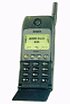
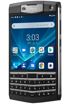
Unihertz Titan vs Samsung SGH-800
| Type | Classique (Monobloc) | À clapet |
| Résistance à l’eau et à la poussière | IP67 |  |
| Dimensions | 153.60 x 92.50 x 16.65 mm | 80.00 x 50.00 x 23.50 mm |
| Poids | 303.00 g | 104.00 g |
| Diagonale de l’écran | 4.60" | - |
| Écran | Couleur / IPS TFT 16M couleurs 1430 x 1438 px (4.60") 441 ppi | Mono / LCD 128 x 64 px |
| Protection de l’écran | Corning Gorilla Glass Acheter une protection d'écran |  |
| Deuxième écran | | |
| Protection de l’écran additionne | | |
| Autonomie en parole | | 2G: 90 minutes (1.5 h) |
| Autonomie en veille | | 2G: 40 Jusqu'à hrs (1.7 jours) |
| Temps maximal de lecture | Audio: 110 h (4.6 jours) Video: 25 h (1.0 jours) | nd |
| Temps maximal de naviguer sur Internet | WiFi: 25 h (1.0 jours) | nd |
| Type de batterie | Li-Ion 6000 mAhAcheter un power bank | |
| Chargement rapide | | |
| Chargement sans fil |  | |
| Répertoire | | 100 noms |
| Mémoire interne | 128 GB | |
| Mémoire RAM | 6 GB | |
| Carte mémoire | microSD, microSDHC, microSDXC | |
| Système d'exploitation | Android 9.0 Pie | - |
| Processeur | MediaTek Helio P60 MT6771 | - |
| Vitesse d'horloge | 2000 MHz | - |
| GPU | ARM Mali-G72 MP3 @800 MHz | - |
| Écran tactile | | |
| Double SIM | | |
| Standard des cartes SIM | DualSIM(nanoSIM, nanoSIM) | |
| Mode DualSIM | dual standby | nd |
| Hybrid DualSIM | nanoSIM, microSD | nd |
| Date de sortie | IV. trimestre 2019 | |
| Noms alternatifs | - | - |
| Standard GSM | 850 900 1800 1900 | 900 |
| Standard UMTS (3G) | 850 900 1700 1900 2100 | |
| Standard LTE | FDD LTE: 2600, 2100, 1900, 1800, 1700, 900, 850, 800, 700 TDD LTE: 2600, 2500, 2300, 2100, 1900 | |
| Standard 5G | | |
| Standard CDMA | 850 1900 CDMA2000 1xEV-DO | |
| Standard TD-SCDMA | 1900 2000 | |
| Standard UMA | | |


APPAREILS-PHOTO - POSTÉRIEUR
| Premier appareil | | |
| Capteur photo | 16 Mpx | nd |
| Zoom optique | | nd |
| Flash | LED | nd |
| Lampe flash dual-color LED | | nd |
| Résolution vidéo | 1920x1080 px | nd |
| Formats vidéo | H.264, H.265, MPEG4 - 30 fps | nd |
| Supplémentaire | AF | nd |

APPAREILS-PHOTO - FRONT
| Premier appareil | | |
| Capteur photo | 8 Mpx | nd |
| Zoom optique | | nd |
| Flash | | nd |
| Lampe flash dual-color LED | | nd |
| Formats vidéo | H.264, H.265, MPEG4 - 30 fps | nd |
| Supplémentaire | FF | nd |

CAPTEURS
| Accéléromètre | | |
| Senseur de proximité | | |
| Senseur de lumière | | |
| Magnétomètre | | |
| Gyroscope | | |
| Baromètre | | |
| Altimètre | | |
| Gravitationnel | | |
| Senseur d’effet Hall | | |
| Scanner de l’iris | | |
| Scanner des empreintes digitales | | |
| Thermomètre | | |
| Hygromètre | | |

Connectivité
| xHTML | | |
| WAP | v2.0 | |
| HSCSD | | |
| HSDPA | 42.20 Mbit/s | |
| HSUPA | 5.76 Mbit/s | |
| HSPA | | |
| HSPA+ | | |
| LTE DL | - | |
| LTE UP | - | |
| WIMAX+ | | |
| GPRS | | |
| EDGE | | |
| Bluetooth | v4.1 | |
| A2DP | | |
| HDMI | | |
| WiFi | v802.11 a/b/g/n | |
| Résolution Wi-Fi | 2,4 GHz; 5 GHz | |
| WiFi Direct | | |
| WiFi Display | | |
| DLNA | | |
| Miracast | | |
| Point d’accès WiFi | | |
| IrDA | | |
| USB | v2.0 Type-C | |
| GPS | | |
| A-GPS | | |
| GLONASS | | |
| Beidou | | |
| Galileo | | |
| QZSS | | |
| NFC | | |

COMMUNICATION ET MESSAGERIE
| Appel en attente | | |
| Conférences téléphoniques | | |
| Renvoi d'appels | | |
| Push To Talk (PTT) | | |
| Messagerie Instantanée | | |
| SMS | | |
| EMS | | |
| MMS | | |
| Swype | | |
| E-mails | POP3, IMAP4, SMTP | |
| Clavier QWERTY | | |
| Lecteur RSS | | |

Multimédia
| Radio | | |
| Lecteur MP3 | | |
| Haut-parleurs stéréo | | |
| Audio Jack | 3.5 mm | |
| HD Voice | | |
| Formats sonnerie | AAC, AAC+, AMR, MID, WAV, eAAC+ | |
| Polyphonie | | |
| Sonnerie vidéo | | |
| Compositeur de sonneries | | |
| Jeux | | |
| Java | ART | |
| Visiophonie | | |
| Télé DVB-H | | |
| Sortie télé | | |

PIM ET FONCTIONS ADDITIONNELLES
| Horloge | | |
| Chronomètre | | |
| Alarme | | |
| Calculatrice | | |
| Convertisseur de devises | | |
| Agenda | | |
| Calendrier | | |
| Mode Avion | | |
| SyncML | | |
| Données et fax | | |
| Économiseur d'écran | | |
| Thèmes | | |
| Coque interchangeable | | |
| Commandes vocales | | |
| Haut-parleur (mains libres) | | |
| Dictaphone | | |
| Vibrations | | |