
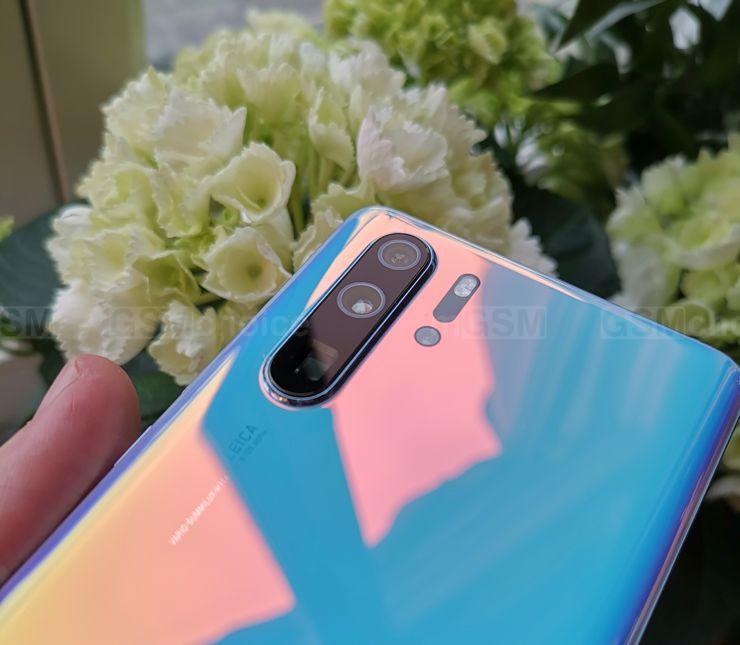
Huawei P30 Pro will be a star, there is rather no other option. The competition tears the hair off their heads, and in the meantime I can nitpick.
Of course, you can only watch a video. It saves time and you can not even sweat - apart from that I do not grumble about the film as in the text, because nobody cares about complaining. If anyone, however, would like to complain a bit - I invite you to read this and watch the movie on YT. You can even turn off the audio there.
| Huawei P30 Pro - Eye of a hawk, eye of an owl video: GSMchoice.com via YouTube |
|||
Leica, ToF and notch, tip toe
On the white box of P30 Pro Huawei boasts of using Leica lenses again, but also a quadruple rear camera. You probably already know that, but for the sake of order, I will mention that the fourth eye in the set, the Time of Flight webcam is responsible for 3D mapping and will allow you to play 3D scanning, but also probably supports shooting in very poor lighting conditions, though ... maybe I will not anticipate the facts.
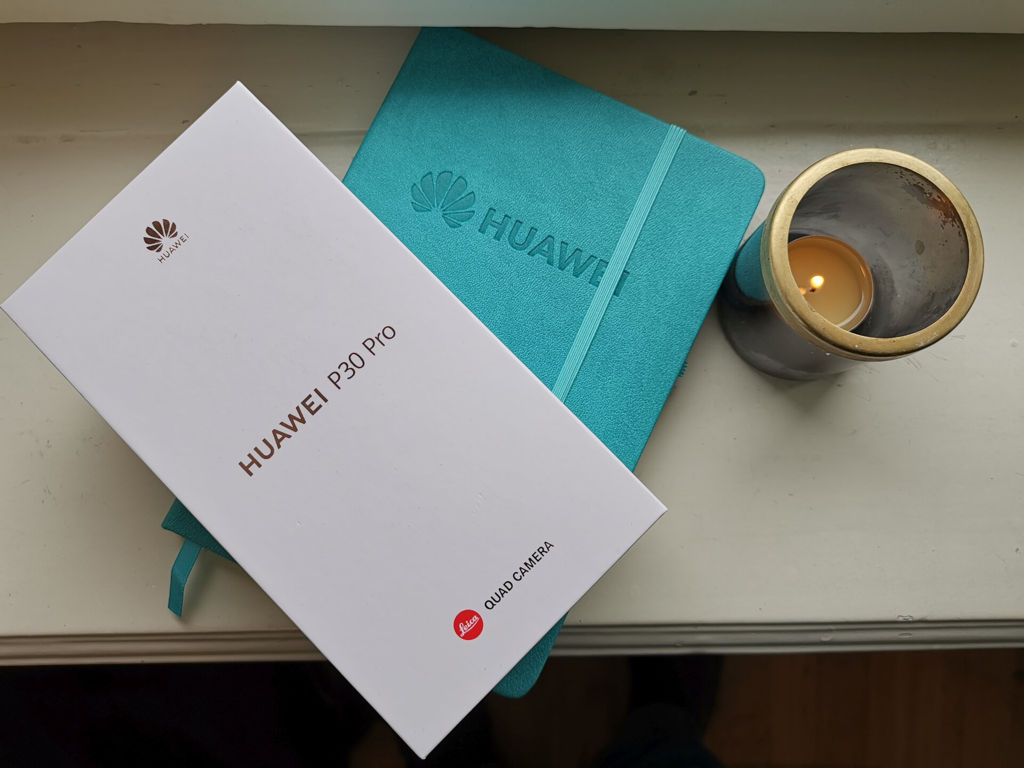
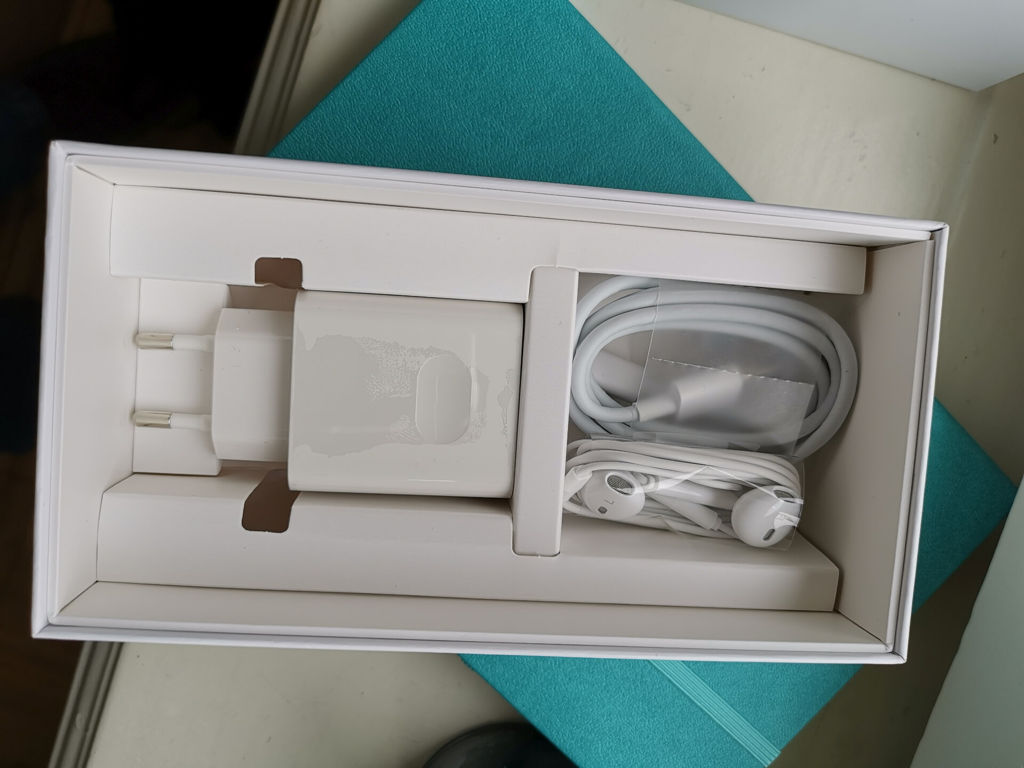
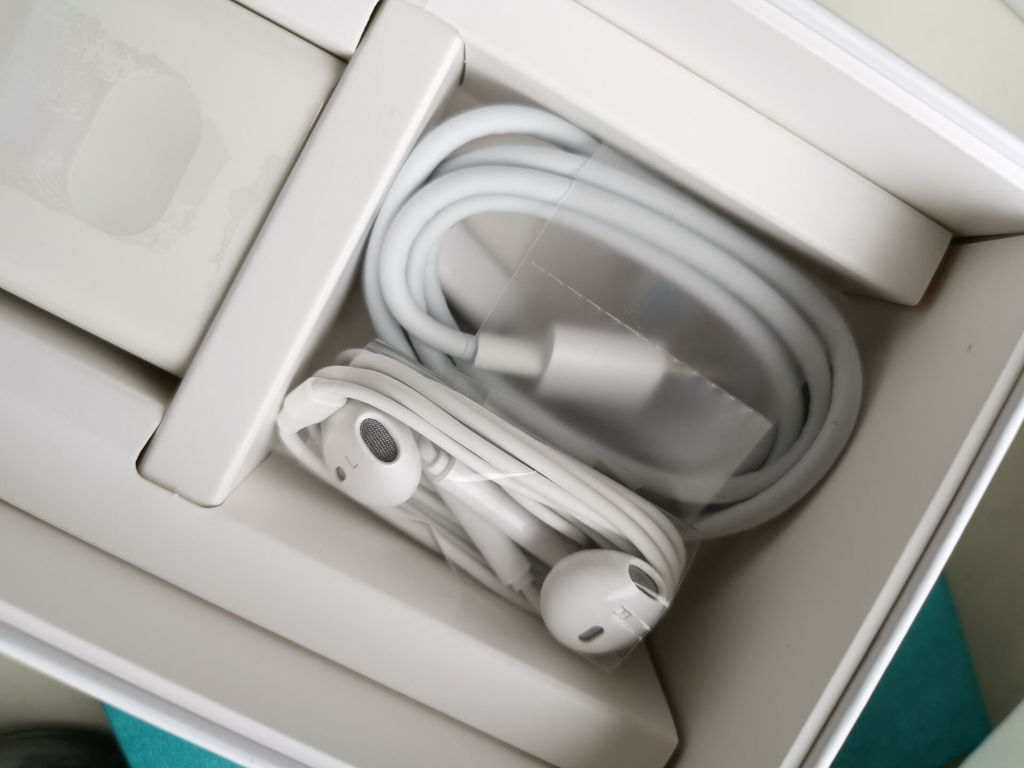
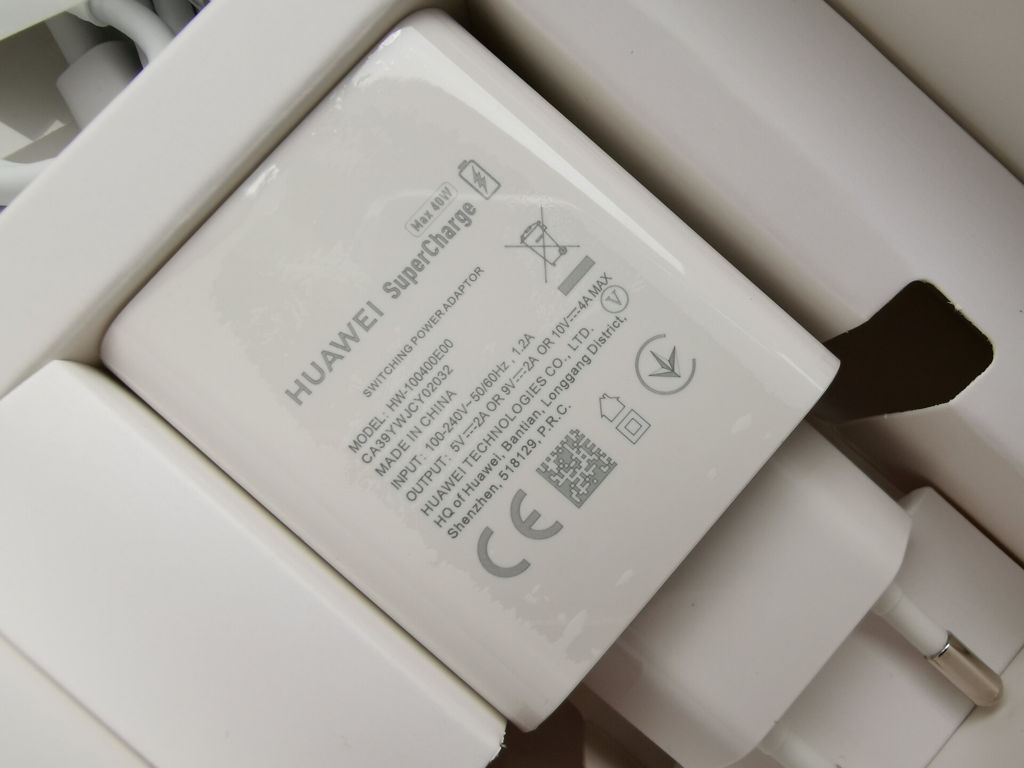
photo: Jacek Filipowicz/GSMchoice.com
If we look at the front of P30 Pro, it's easy to spot a droplet notch. This is a progress both in relation to the predecessor and Mate 20 Pro, where the notch was very wide. However, the message for those who do not hate notch is clear: it is still there. - Meanwhile, as in Mate 20 Pro Huawei decided to round the edges, which looks great but has no practical applications. The display itself is of course an OLED matrix with a diagonal of 6.47” working at a resolution of 1080x2340 px. The frame around it is extremely thin - a bit wider at the bottom, and the cover easily grabs fingerprints, but it is also easy to clean.
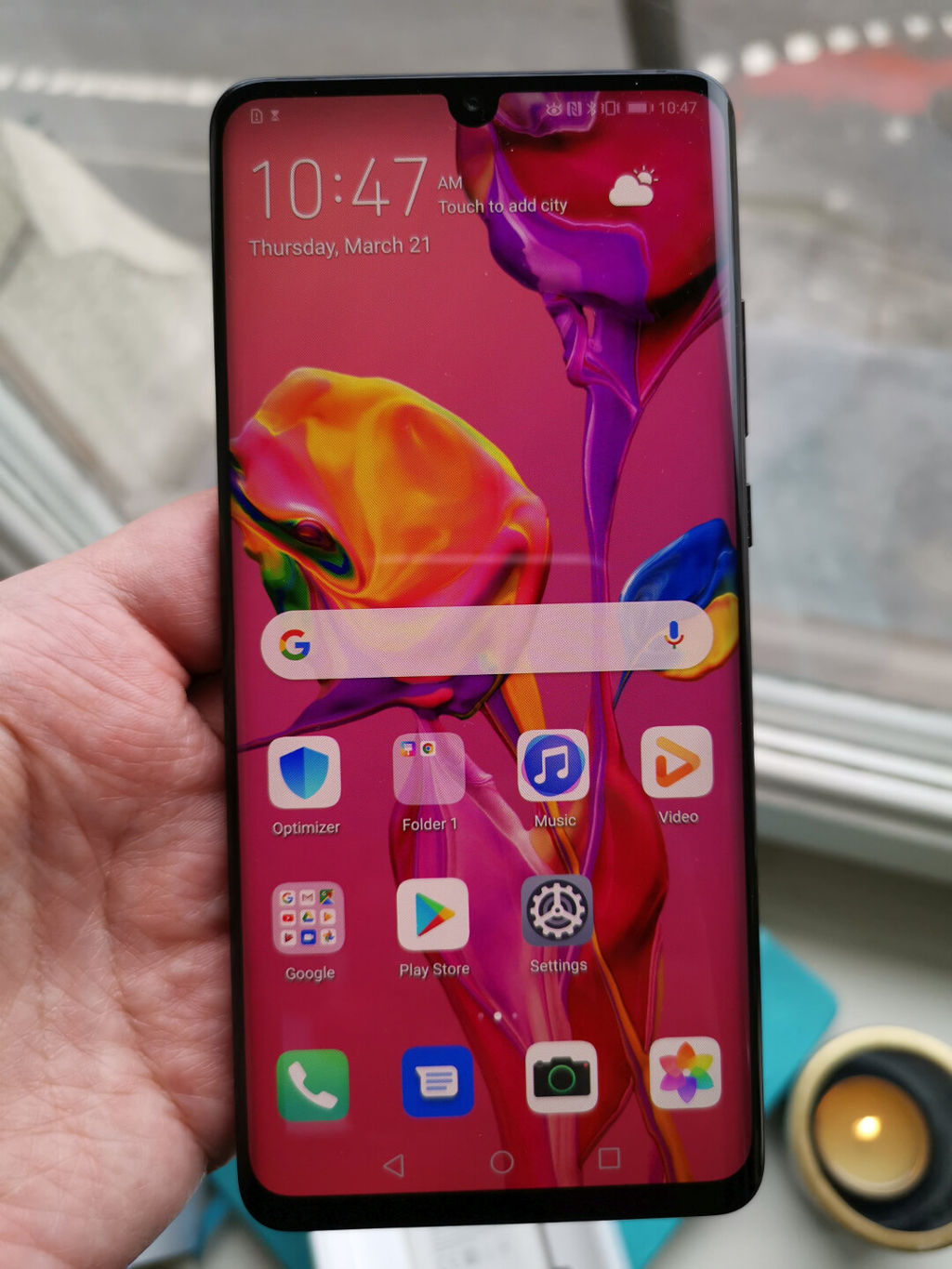
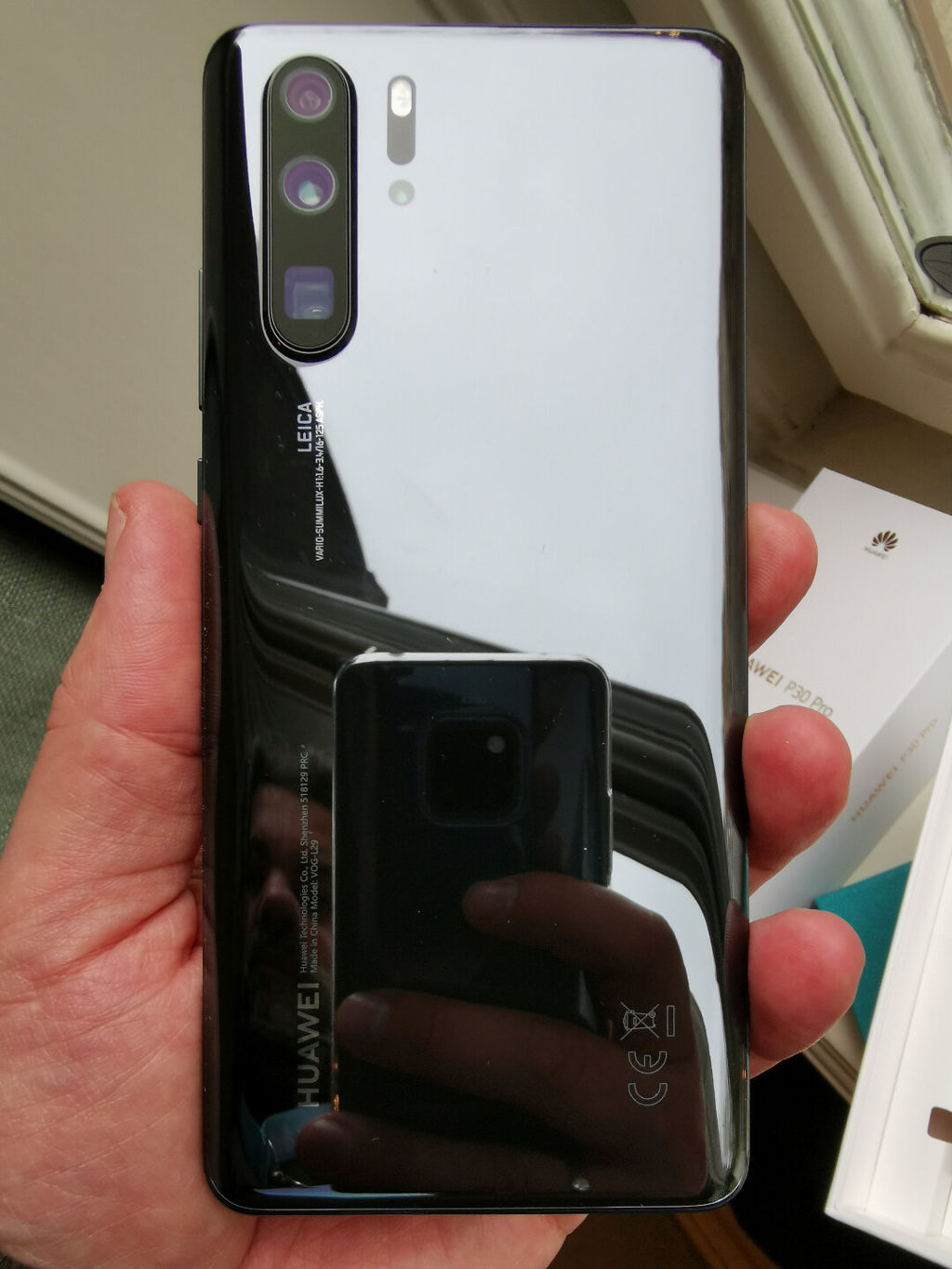
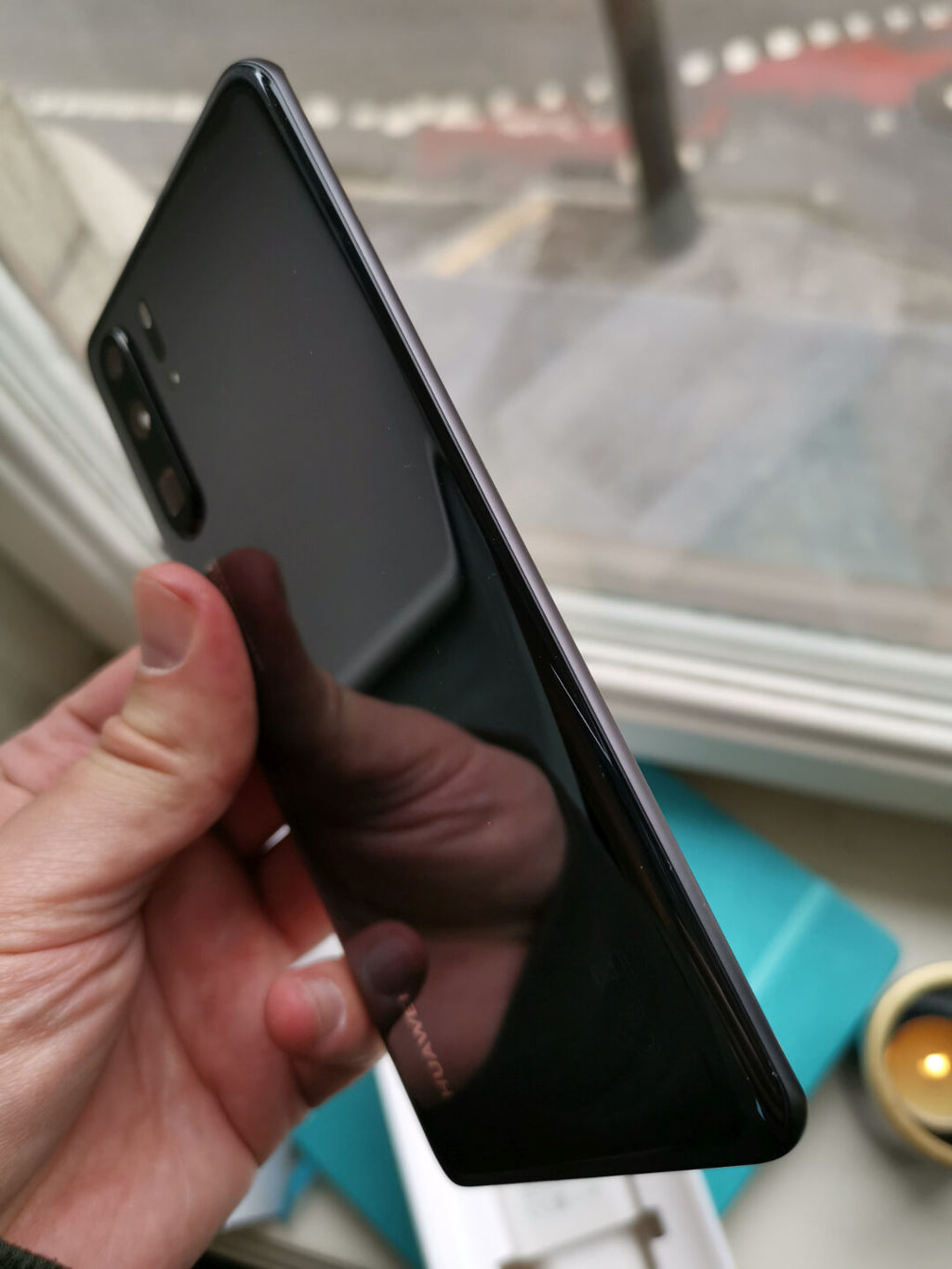
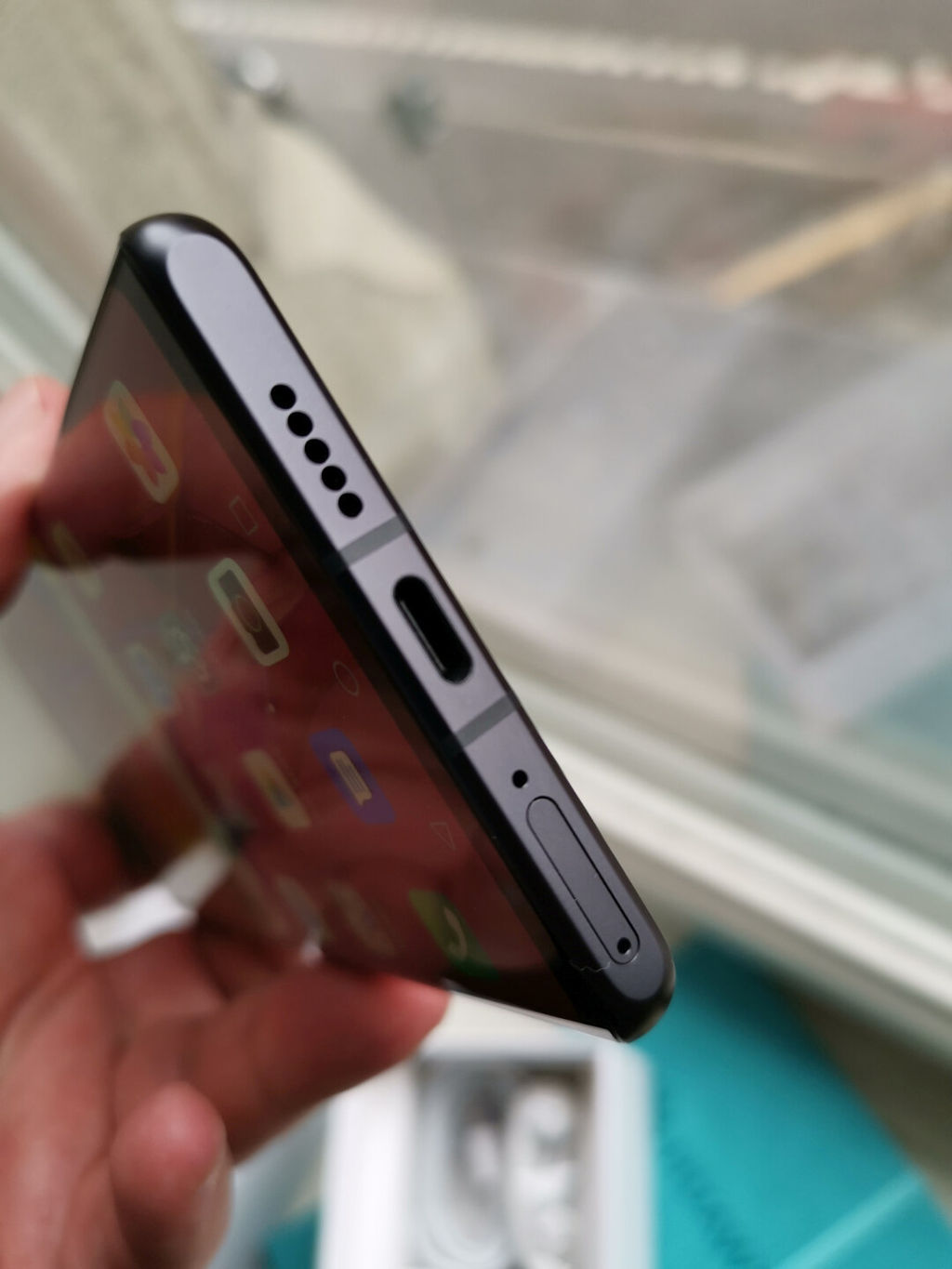

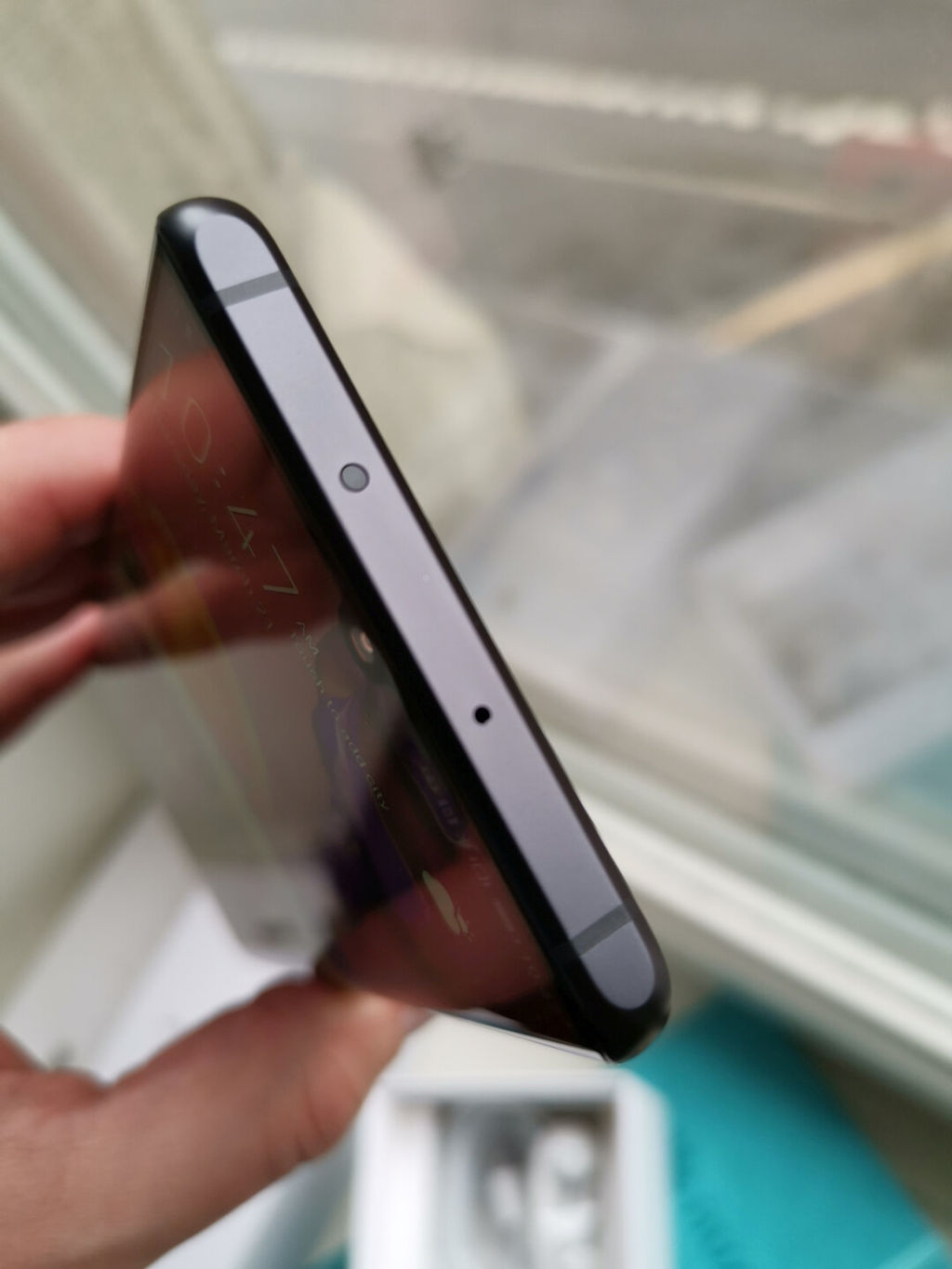
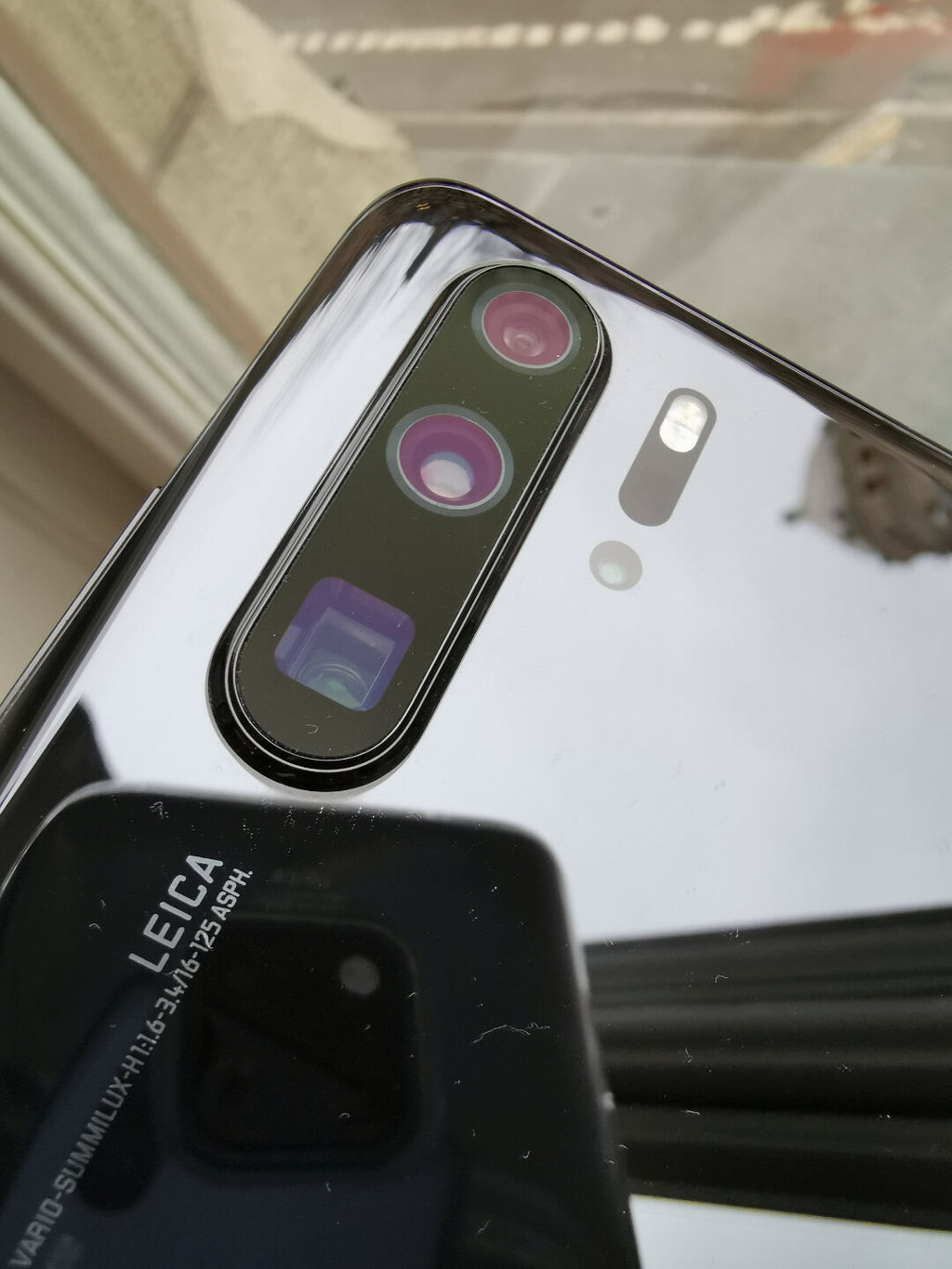

photo: Jacek Filipowicz/GSMchoice.com
Jack is gone again; it is wireless and instant
Huawei being the best on the market when it comes to classic fingerprint readers decided in the model P30 Pro model as in the last Mate on the screen reader. I do not like this solution, but it works better here than in the predecessor. The sensor has been moved slightly towards the bottom of the smartphone. If the future owner has big paws, you will be hurting your thumb - unless you use face recognition. I have not been able to check the spot, but I'm afraid that the front camera without ToF support is not the safest way to recognize the face.
In the set you will find the obvious: a charger and a USB cable, less obvious manufacturer's headphones. With this charger it is not a simple matter. Take a look at the power of the charging current. - 40 watts is power and charging will be instant as in the current Mate 20 Pro market. It's a good place to mention that 15-watt wireless charging is also available, as well as wireless charging of accessories from a smartphone, which the manufacturer calls wireless reverse charging..
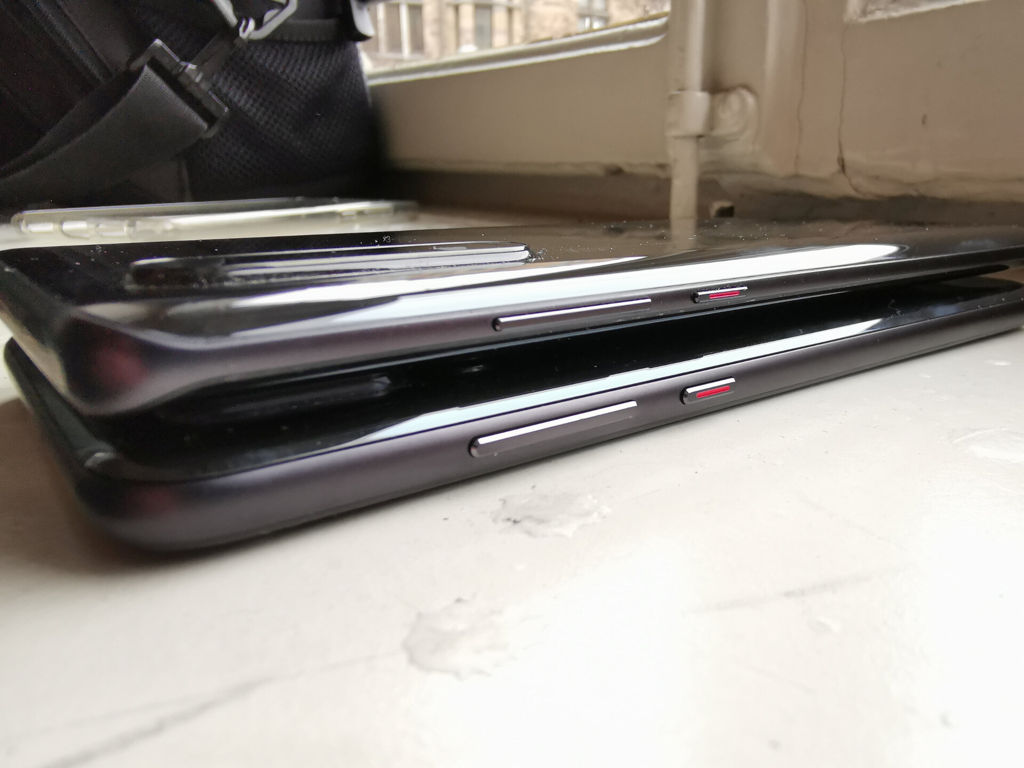
The display is dazzling, and the smartphone body is maintained in a similar style to the predecessor and Mate 20 Pro. On the right side we find a characteristic switch with a red motif and volume control. The housing looks much thinner than it actually is, mainly due to the fact that both the surface of the rear panel and the display is wrapped. At the bottom you will find a drawer for memory card and SIM, a microphone, a USB-C socket and an external speaker. At the top we have a loudspeaker for talks and a visible infrared eye. What is missing? There is no audio jack socket, which Huawei has consistently failed to mount in the Mate 20 Pro and P20 Pro models.
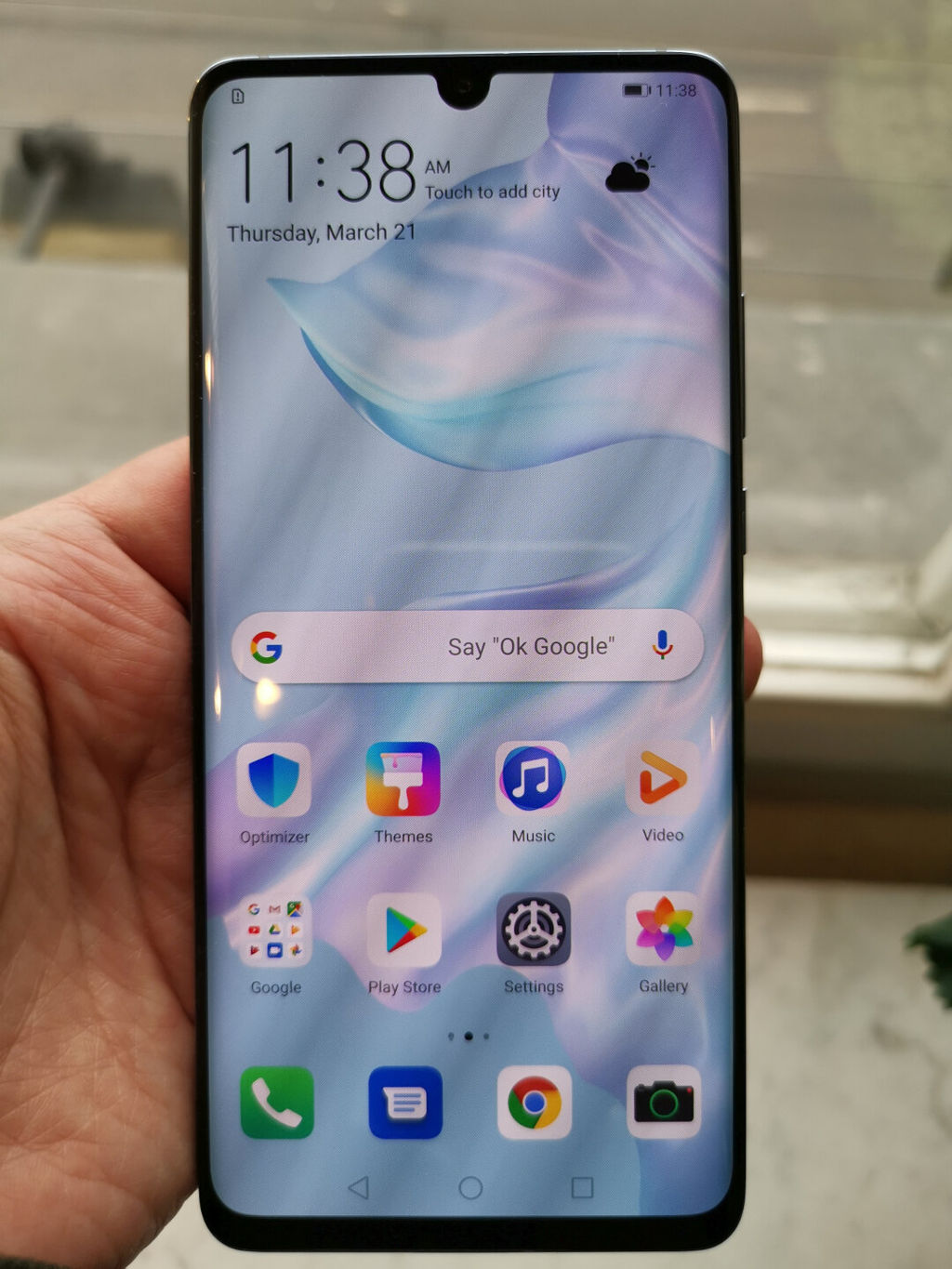
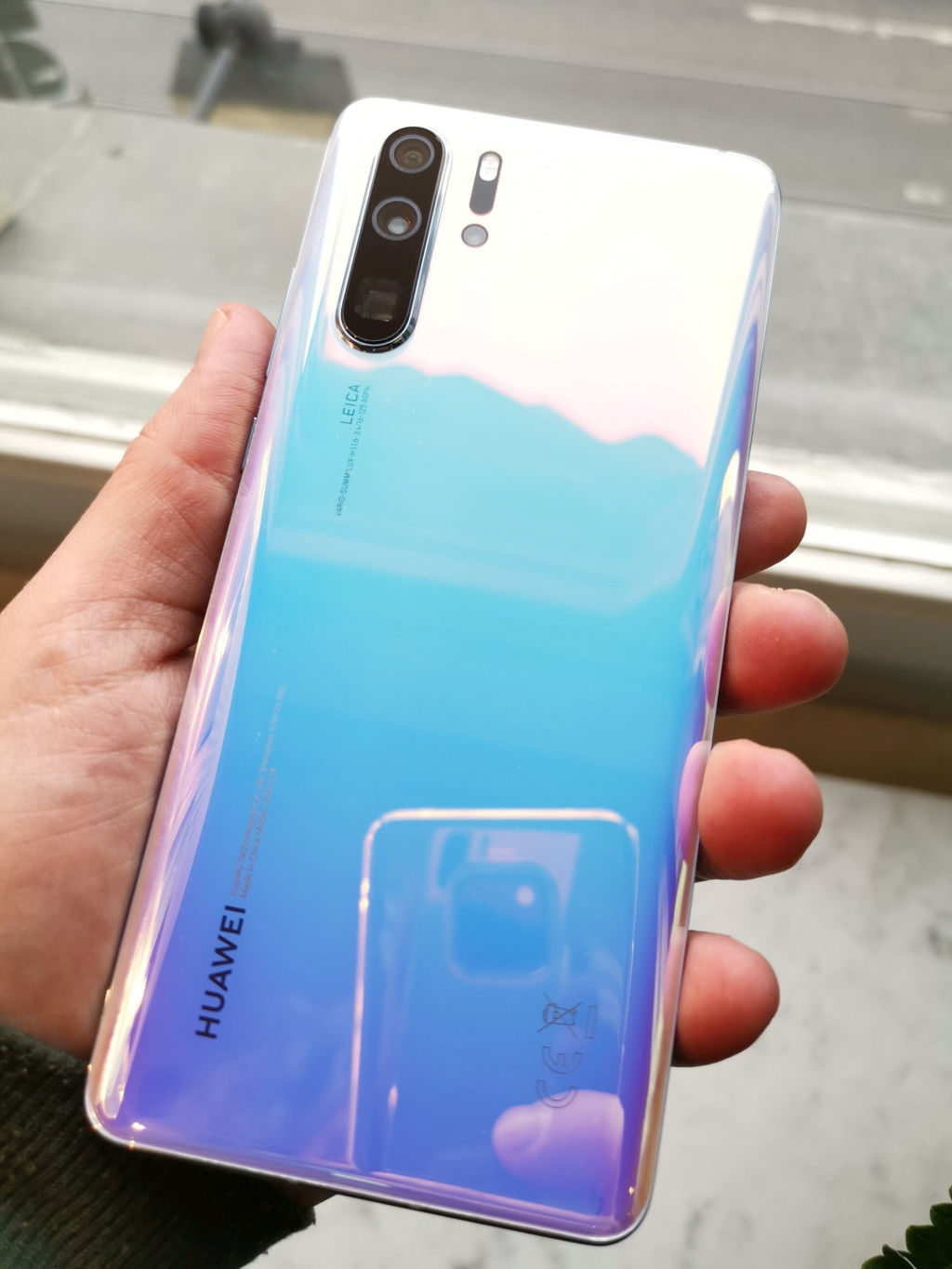
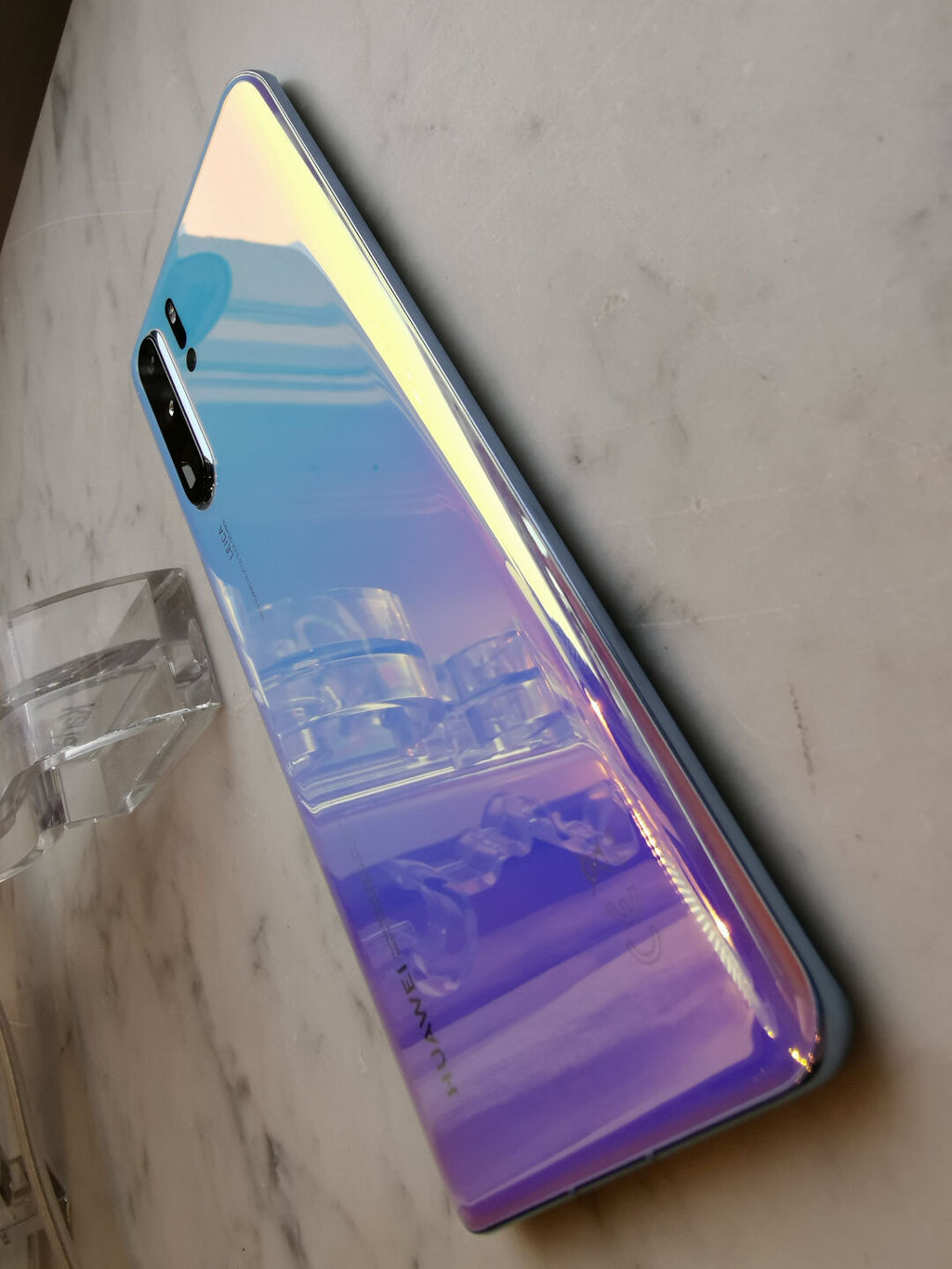
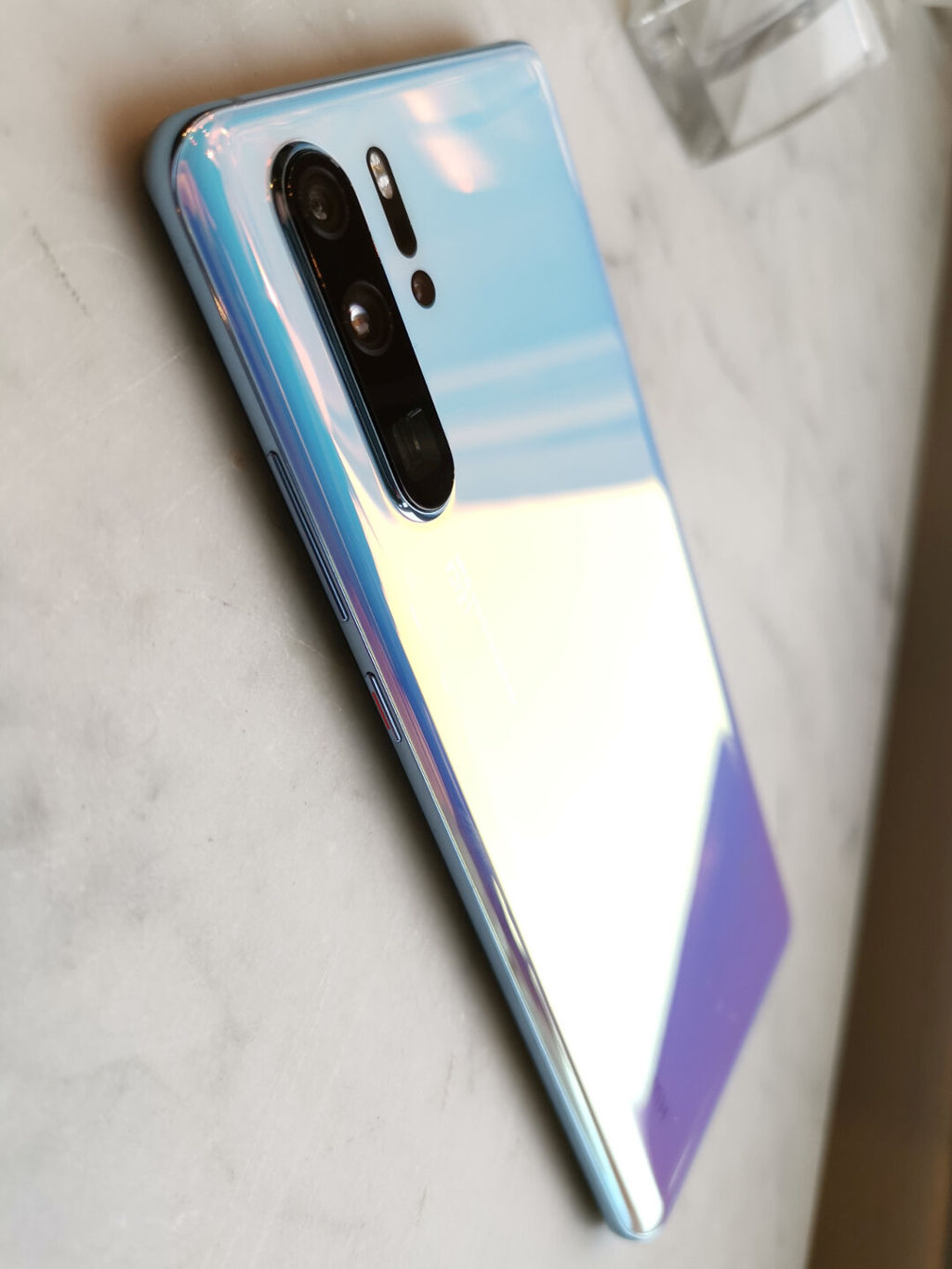
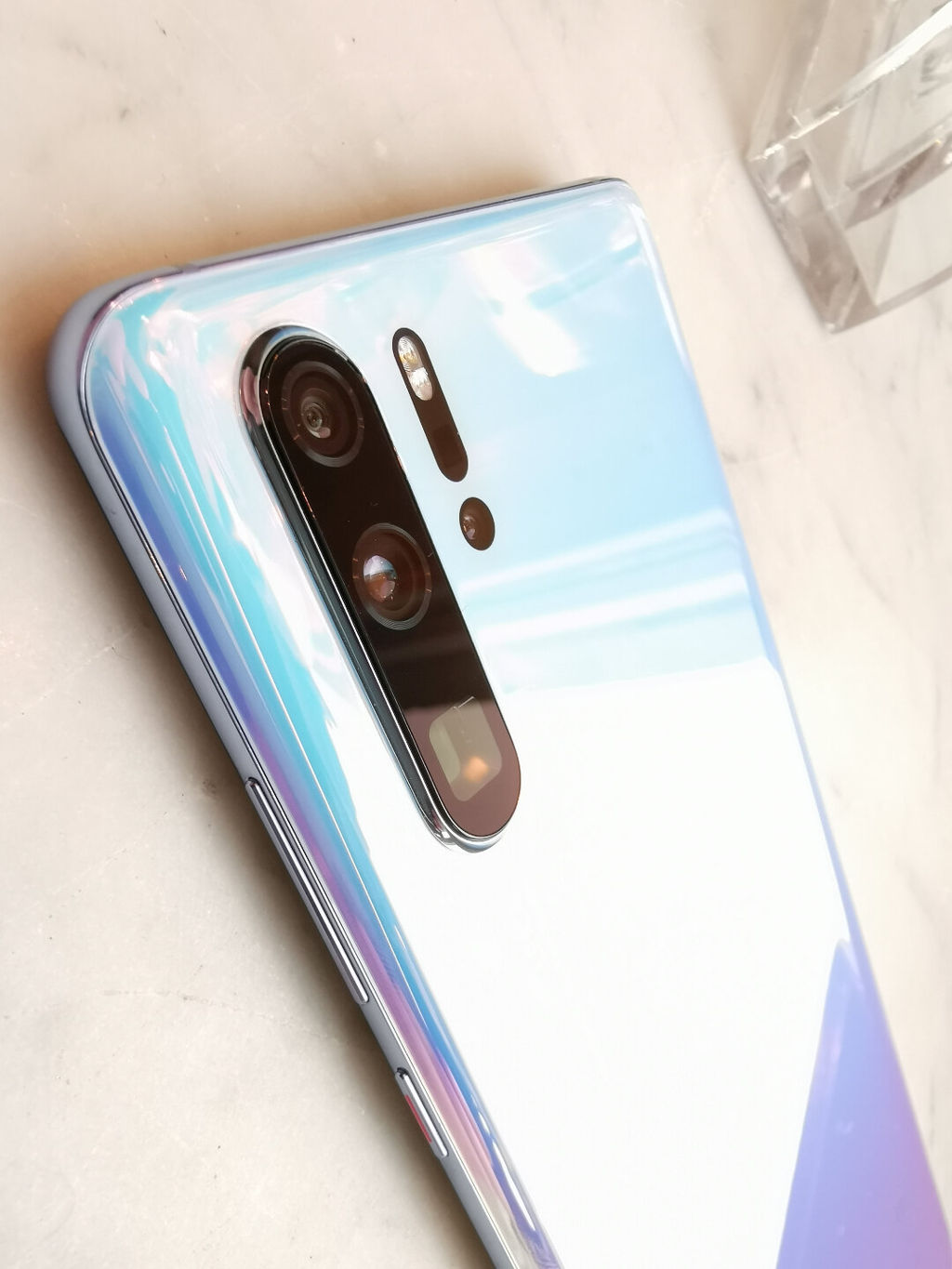
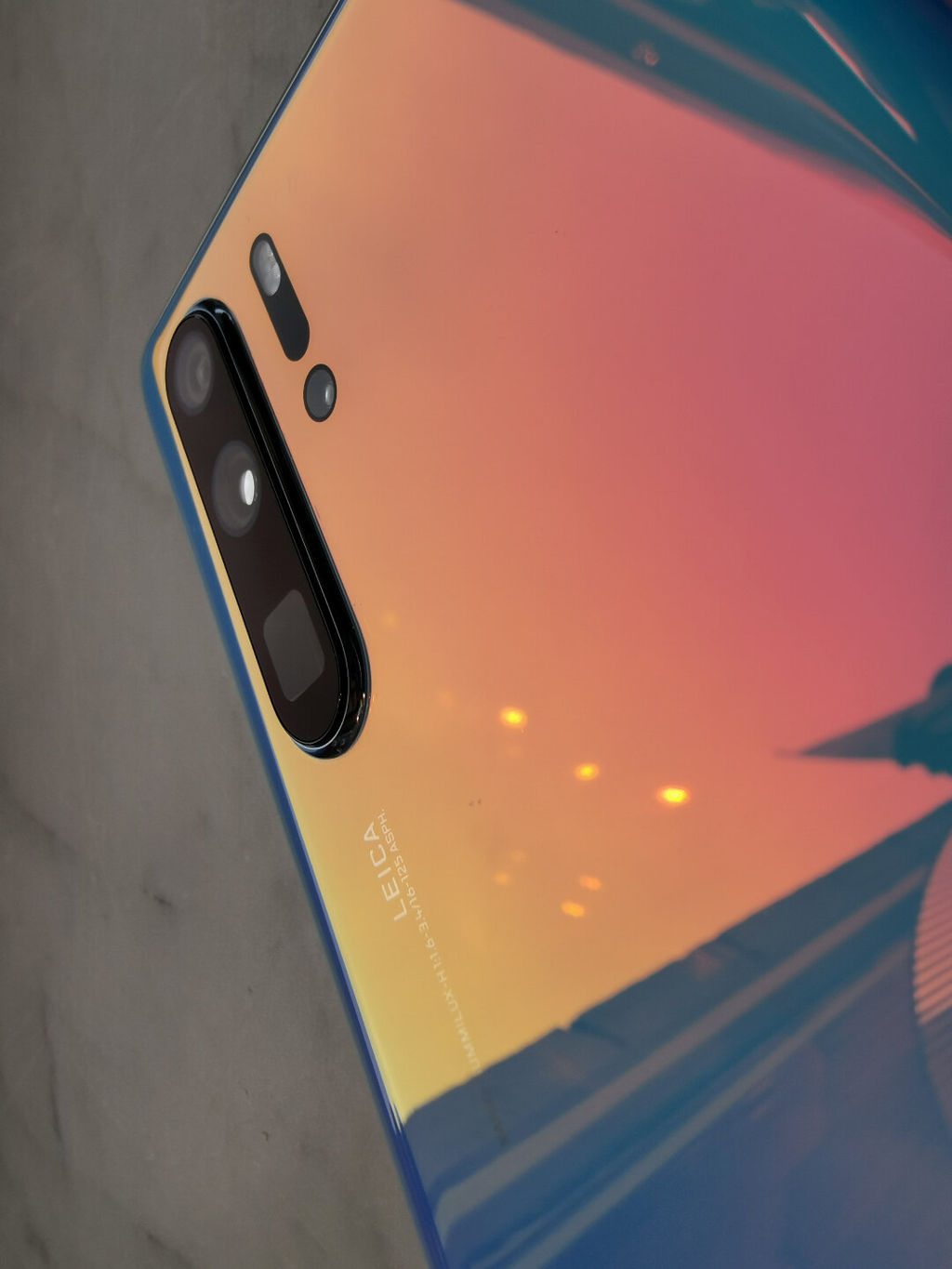
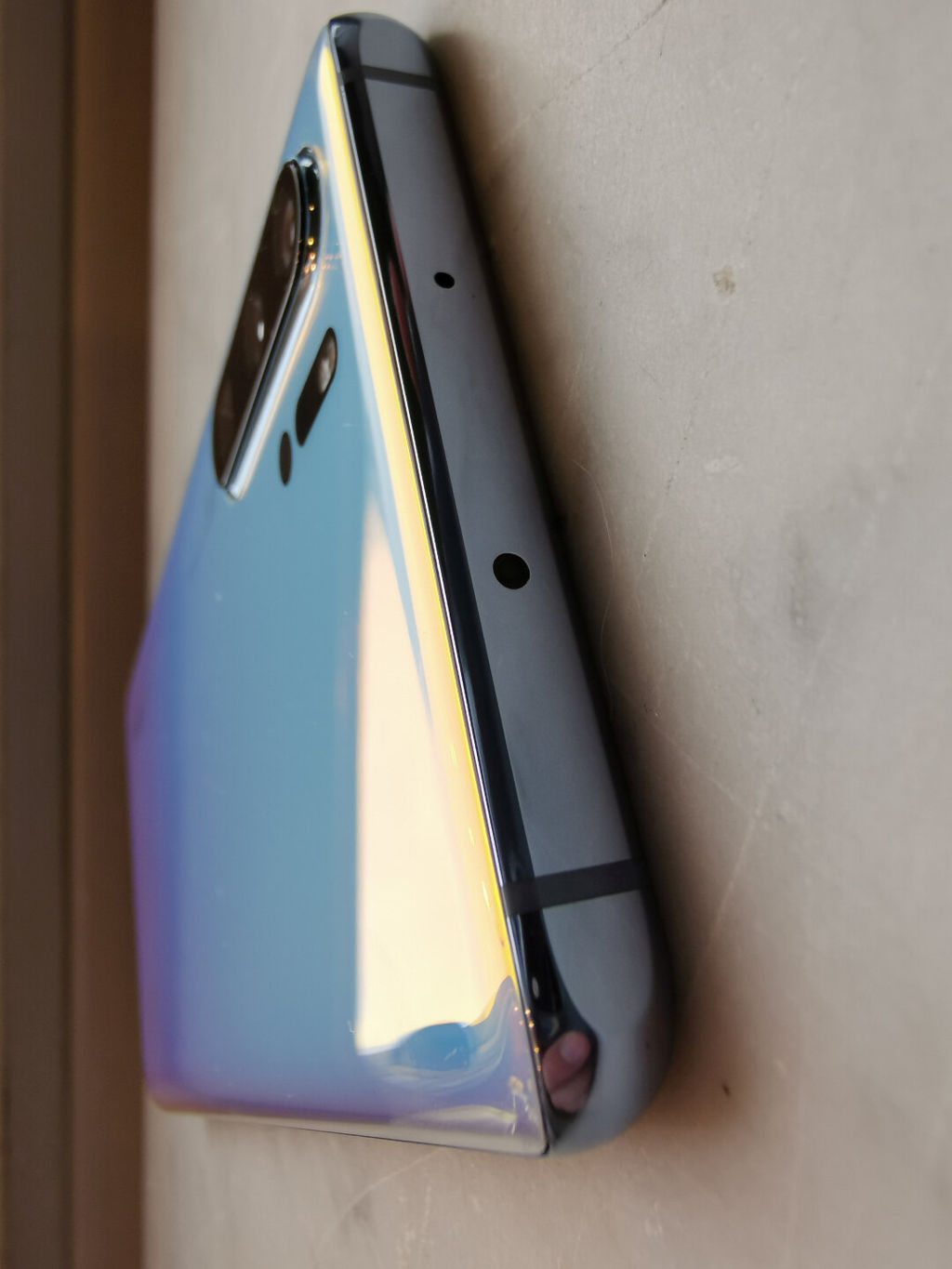
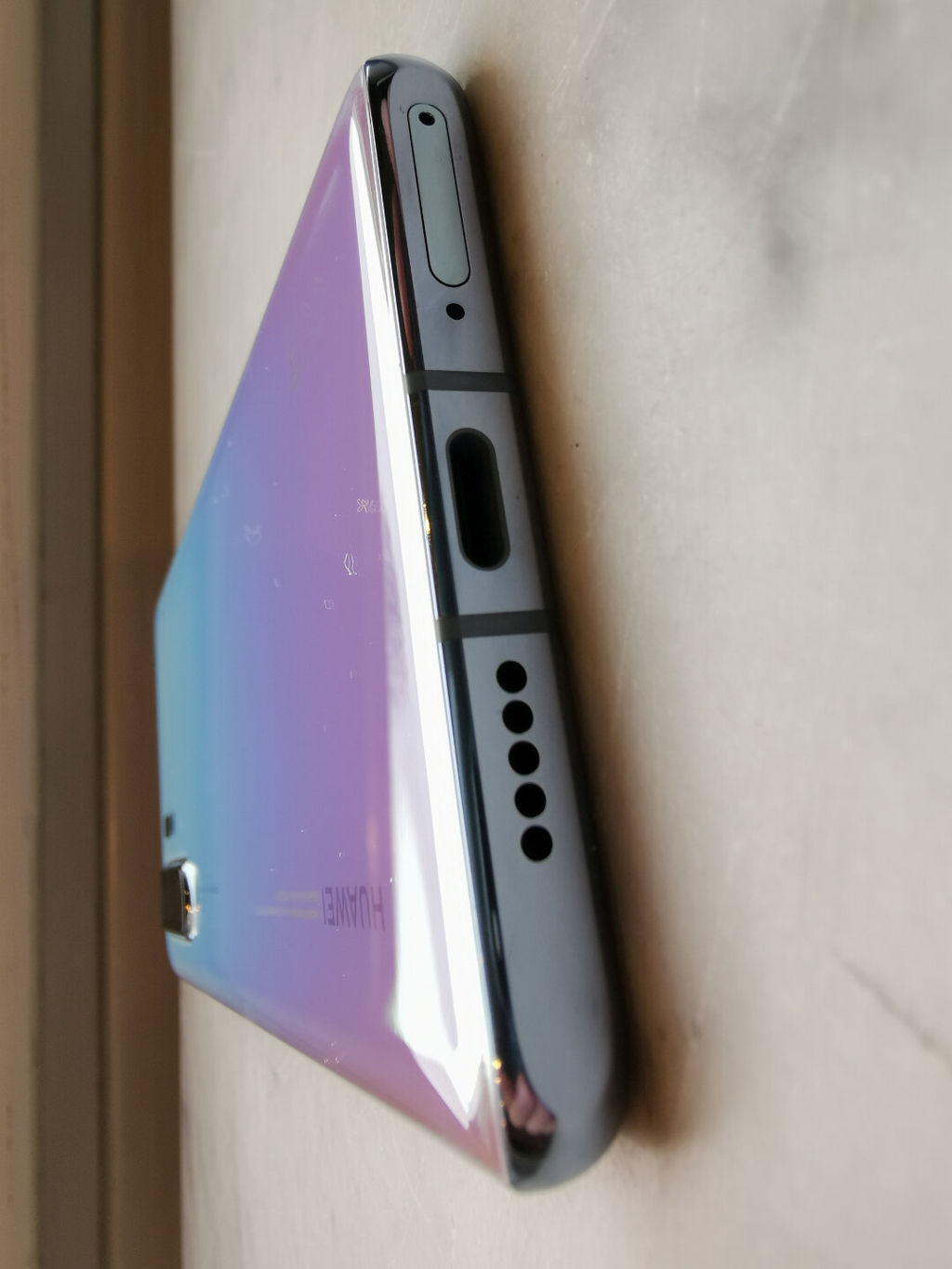
photo: Jacek Filipowicz/GSMchoice.com
On the periscope almost like a telescope
What's the most interesting and most important is hidden behind. Four cameras and a lot of data that concern them, so focus.
- The main camera with the IMX650 40 Mpx matrix was manufactured by Sony. A very bright wide lens has an aperture of f/1.6.
- Accompanied by an ultra wide angle lens with aperture of f/2.2 with a 20 Mpx matrix
- - And additionally we have a telescope lens with the f/3.4 brightness and a matrix of 8 Mpx constructed on the principle of a periscope. It is thanks to it that it is possible to record lossless 5x magnification, and for this 10-fold hybrid - this hole with a rectangular eye.
- The fourth camera is mainly used as a sensor. This Time of flight webcam maps the surroundings by determining the distance from the photographed and filmed surfaces. It will allow you to scan 3D objects and help you take pictures in the dark.
There is of course optical image stabilization, or something as trivial as the LED flash. As for technical details, it is worth mentioning a matrix with pixels in the red-yellow-yellow-blue system - which is to capture more light, ISO on a cosmic level of 102400 and macro shots taken from a distance of 2.5 cm from the object. There is, of course, the possibility of taking advantage of a long exposure, or a special mode recording the flowing water. Both optical and digital image stabilization is used for video recording.
By default, photos are taken at a resolution of 10 megapixels, because camera software combining 4 adjacent pixels gets better image quality, but nothing prevents you to take pictures also in full 40-megapixel resolution. However, we must count on the fact that tele photos will not be available until we return to the native 10 Mpx.
The front camera placed in a droplet notch has a matrix of 32 Mpx, electronic image stabilization and aperture f/2.0.
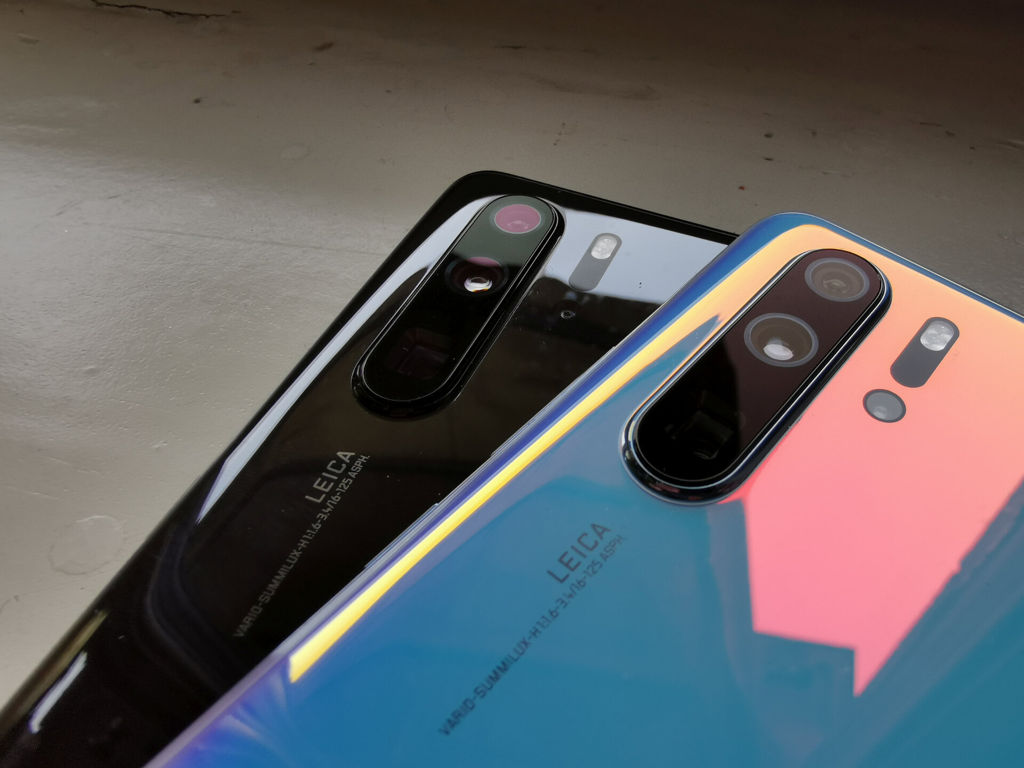
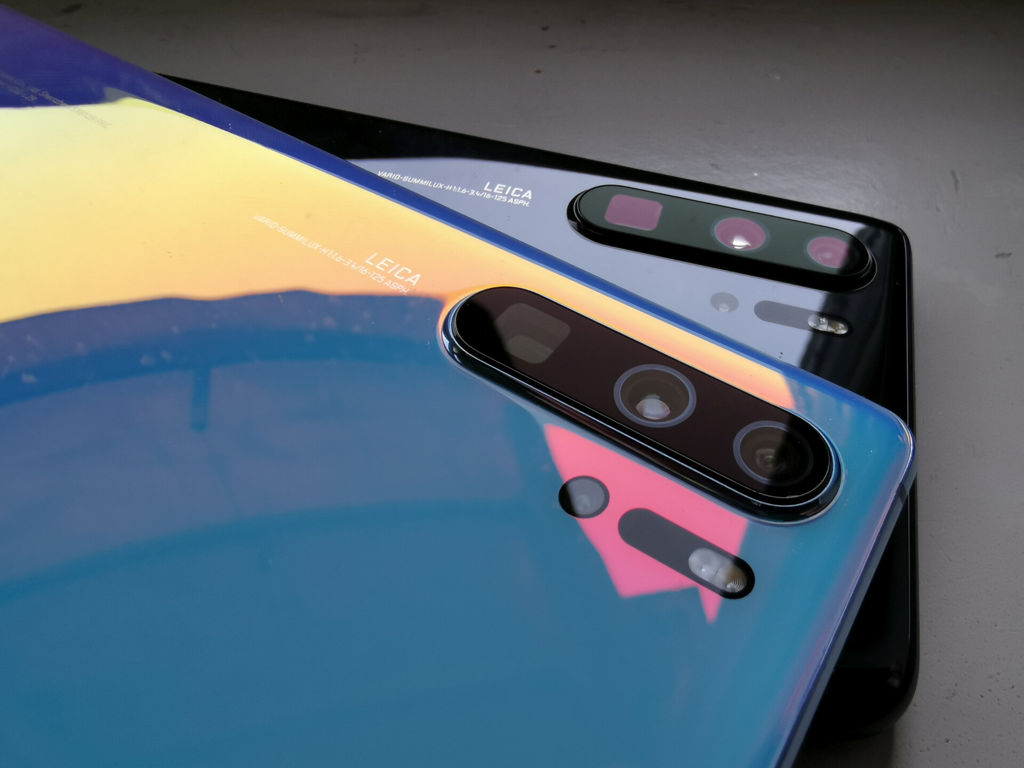


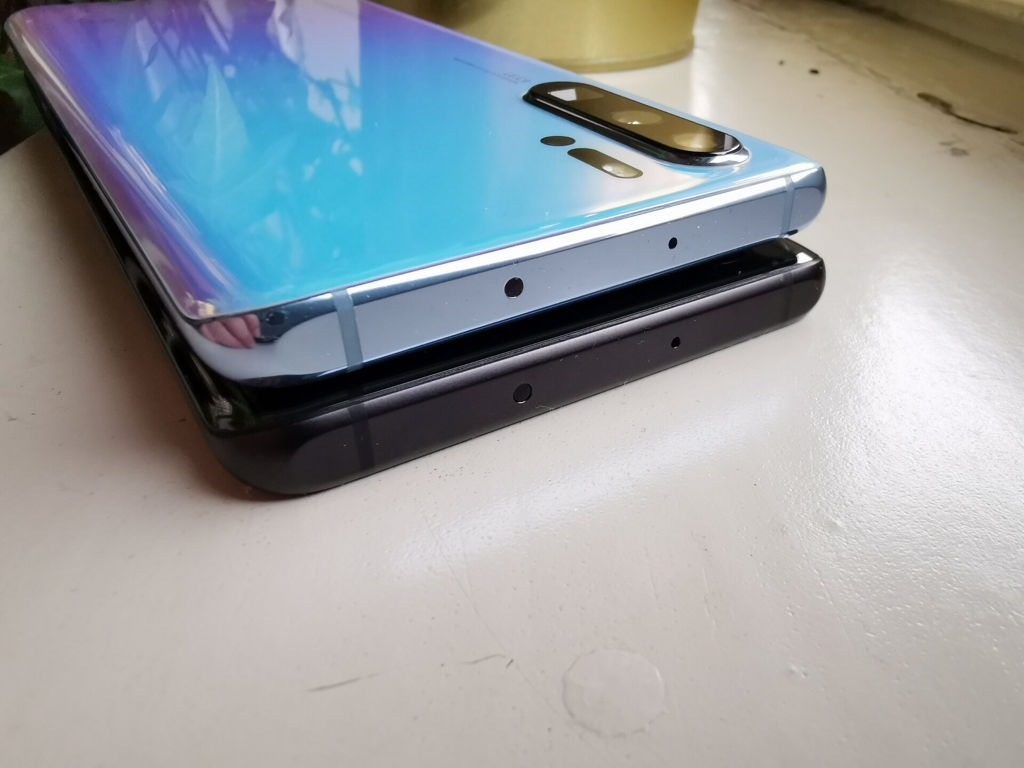
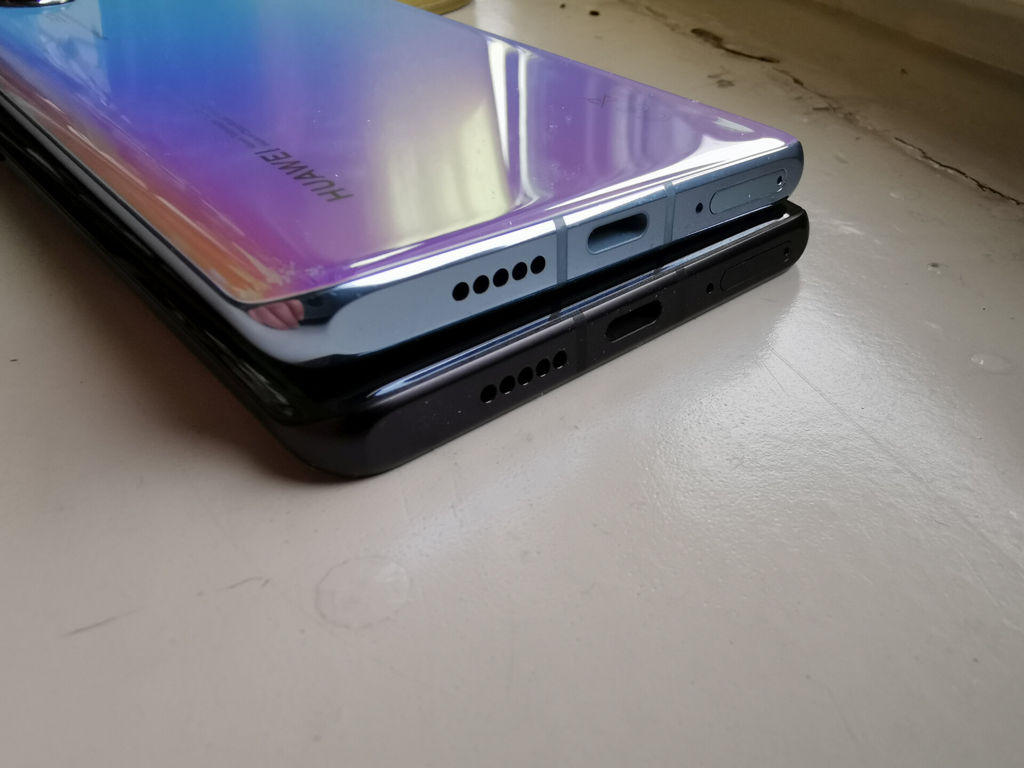
photo: Jacek Filipowicz/GSMchoice.com
Eye of a hawk, eye of an owl
And now things that you will not find in the specification. Unfortunately, I did not have an idea how to show one of them. The first option that breaks the hats off to the head is a 50x digital magnification. You will not make great quality photos thanks to it, but it's great as a handy binoculars you always have with you. The magnification is simply impressive, see for yourself on the film. The on-screen buttons switch the magnification from the wide-angle mode to 1x, 5x and 10x. Next you have to enlarge manually.
The second thing is photos in the dark. The organizer has prepared a special room, where the only source of light was a miniature house model and a small LED diode - thanks to that it was possible to orientate yourself in space and hit the door. The darkness in the room was such that the people present inside did not see their faces. Huawei P30 Pro has seen. It allowed to take photographs of objects and portraits. I had huge problems at all with directing the lens directly to the subject, not to mention framing. I did not quite see who or what I was taking a photo.
It rarely happens that we take pictures in complete darkness, but if in such conditions P30 Pro is able to take correct pictures, we can expect very good photos in slightly better ones. During the presentation we were shown night photographs that looked like they were taken during the day. I do not know if Huawei did not overdo it. Who will believe that I took a night picture when it looks like it was made in perfect lighting conditions.
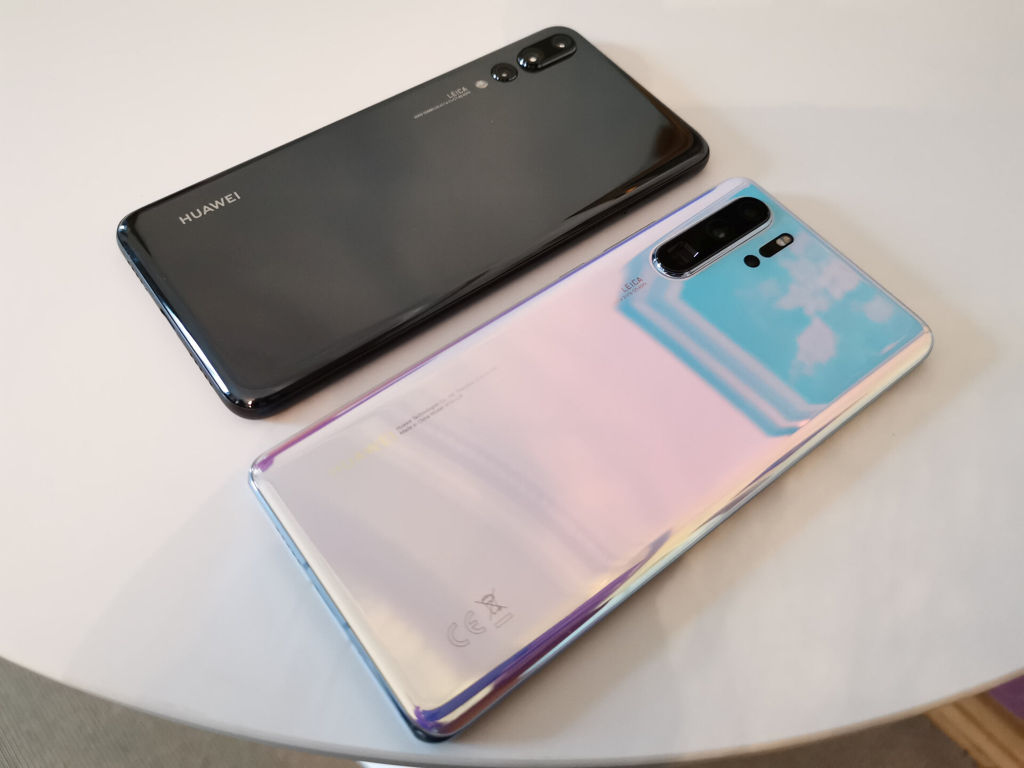
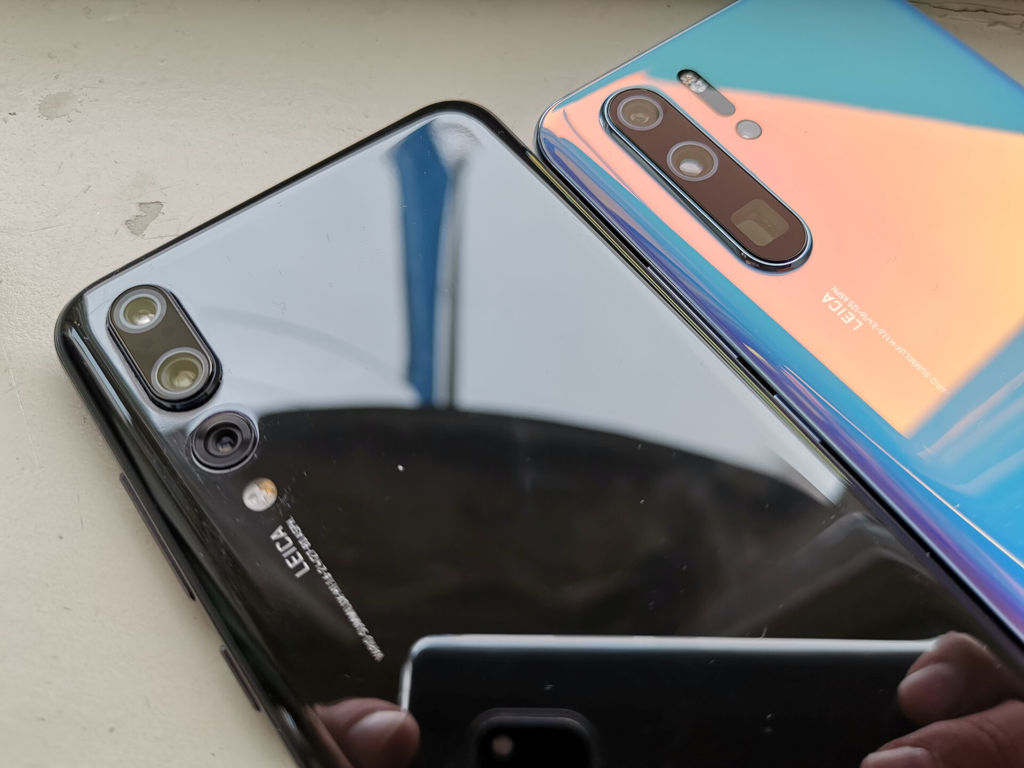
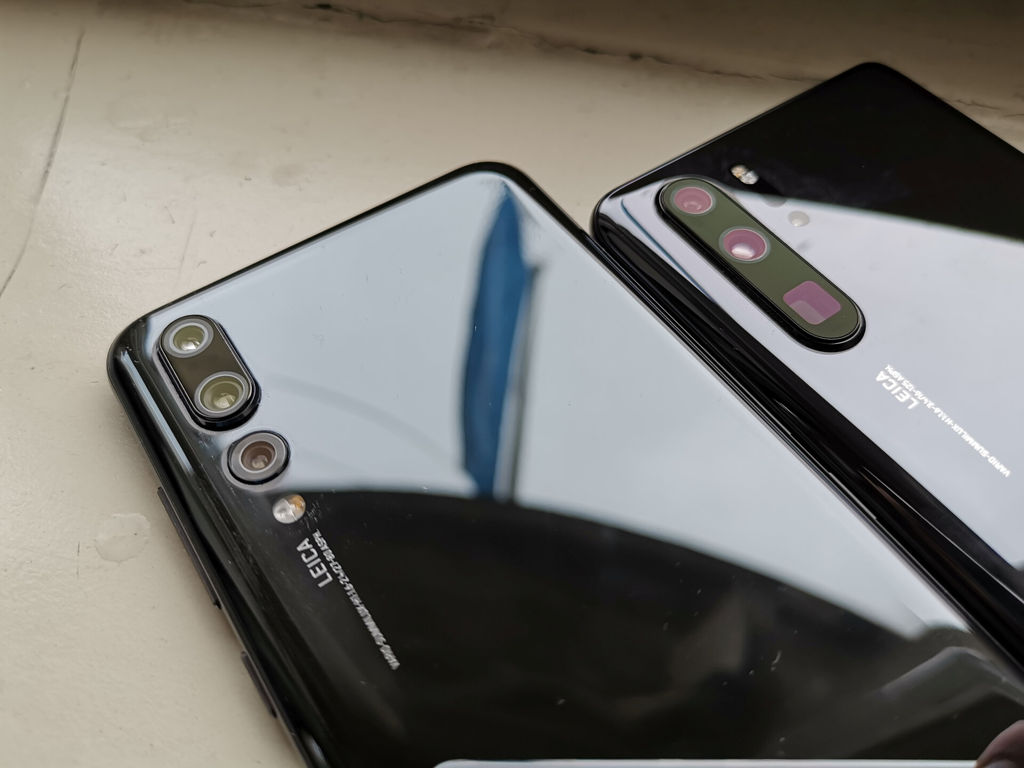
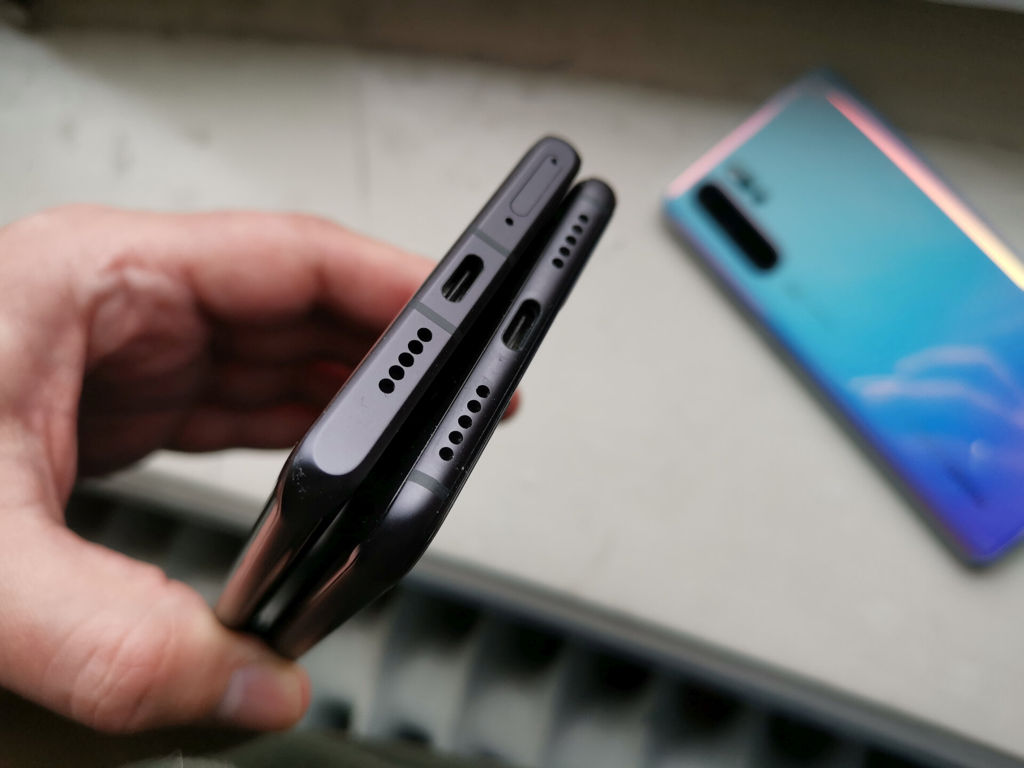
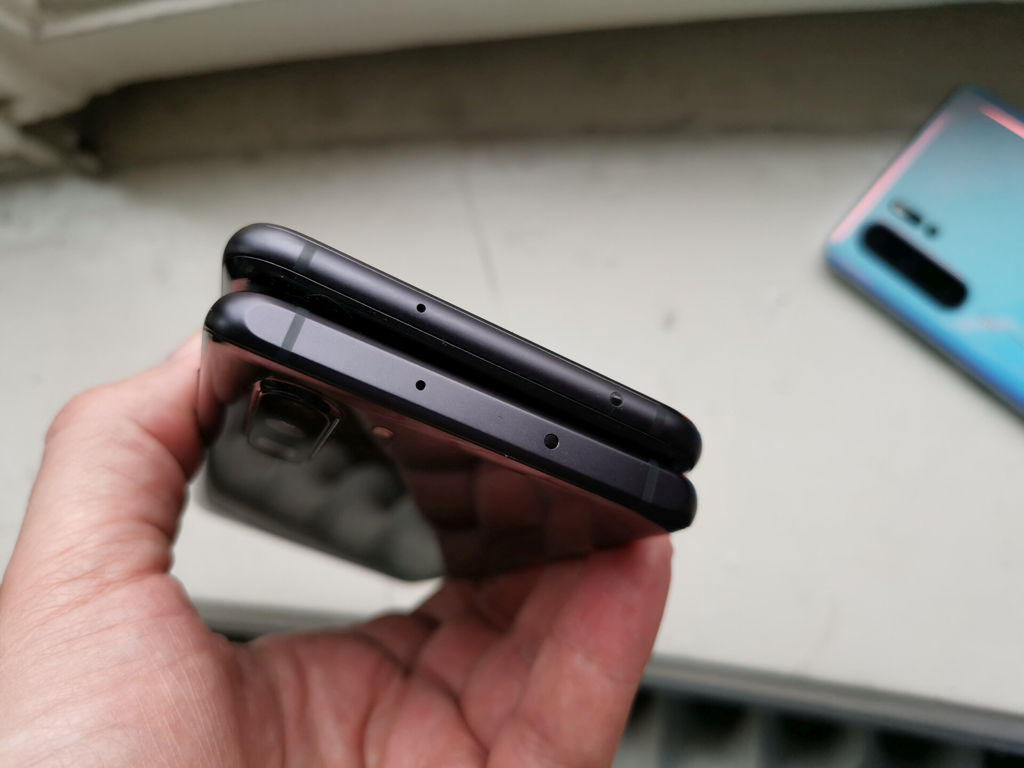
Four colours: opal - and promised nitpicking
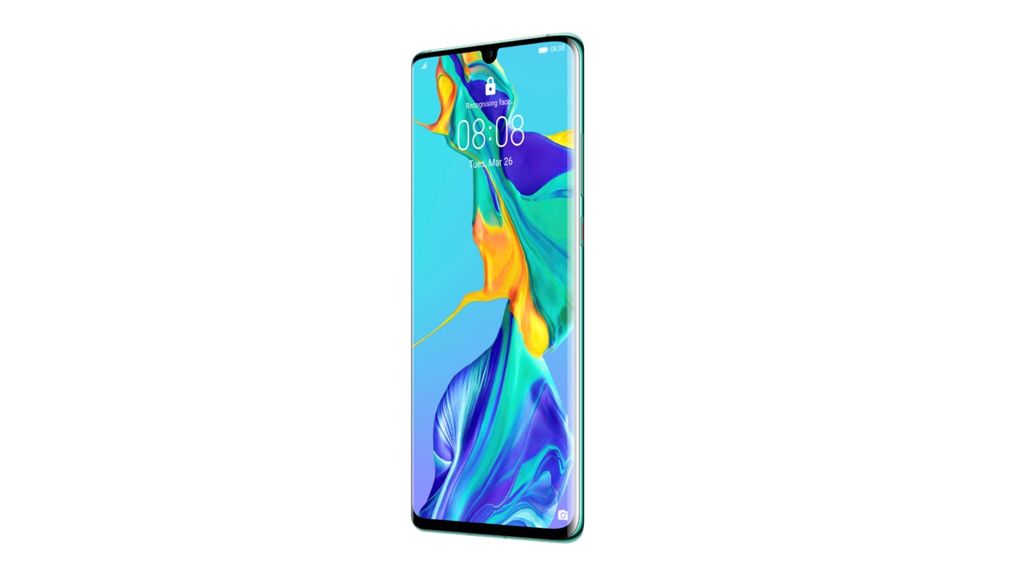
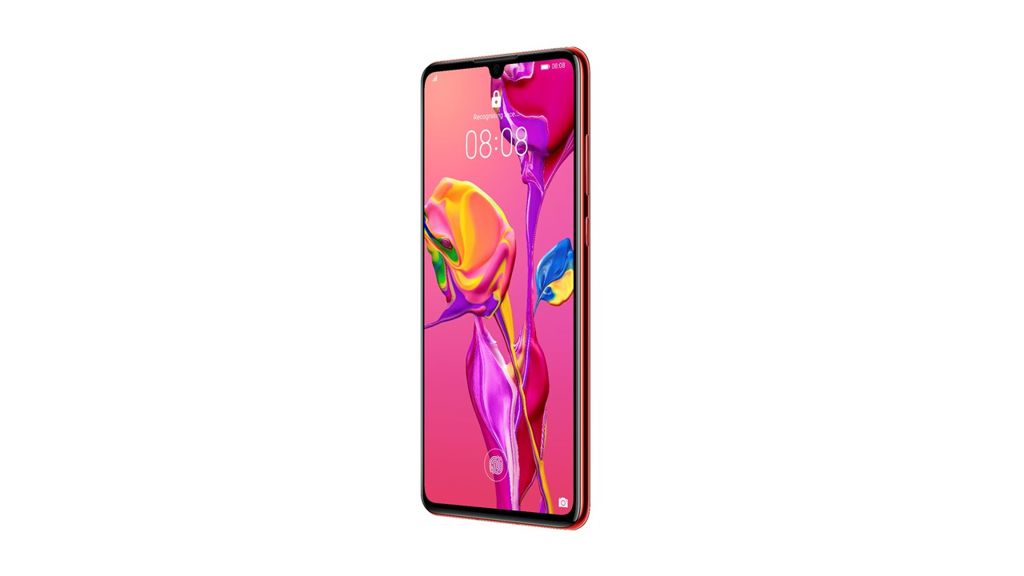
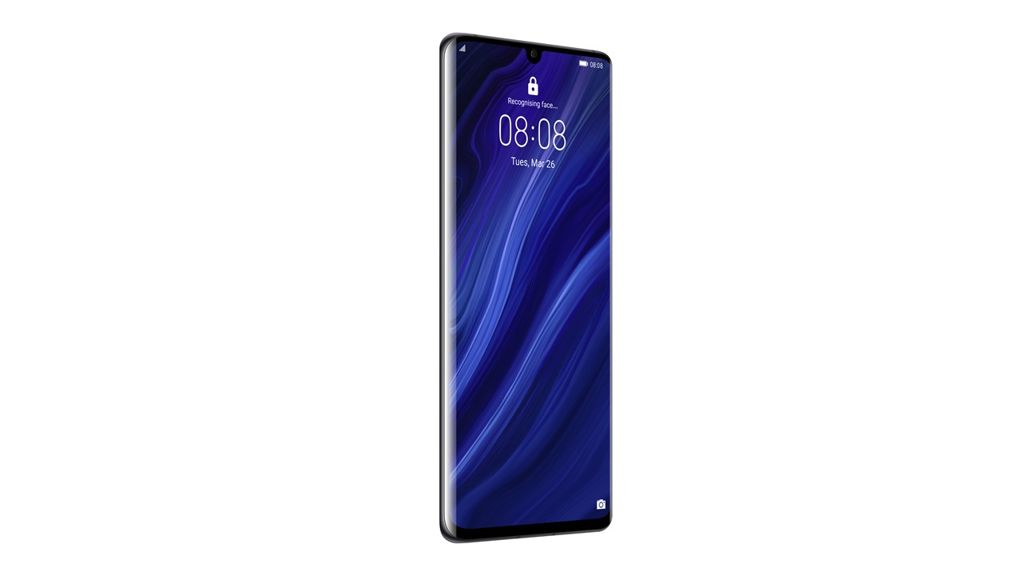
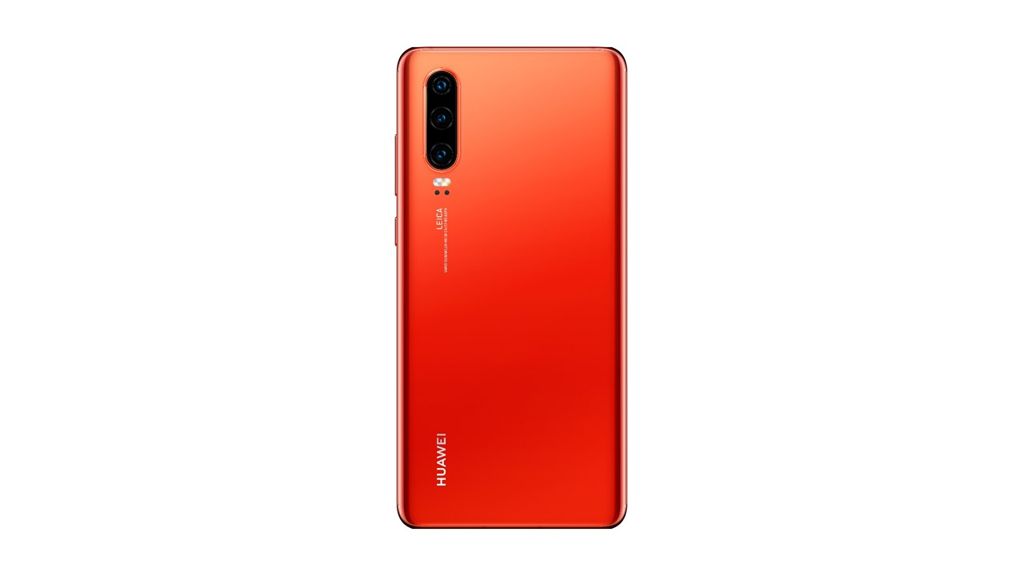
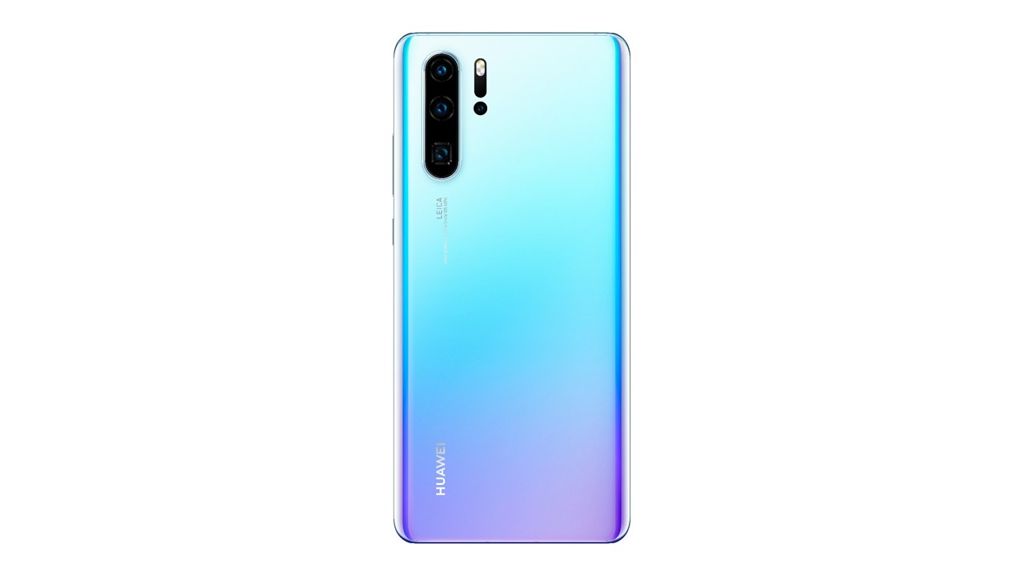
As you can see there are 2 colours, but at least one will come here. In the pictures you can see the one that will be called opal, and of course classic, black. In total, the smartphone will appear in 4 colour versions with exotic names: pearl white, crystal black, amber sunrise and aurora.
I promised that I would nit-pick, I found: no jack, support for proprietary memory card system (still more expensive than the standard), lack of ToF webcam for safer face recognition, a fingerprint reader placed too low for the owners of big hands, problems with sharpening at standard lossless magnification: dark telephoto. Maybe I should write a dark one? ;) I am able to patch each of these holes cleanly: I am using a USB-C adapter or wireless headphones, I do not use Huawei memory cards, because I have enough, I have small hands, a low-lying reader does not bother me, a dark telephoto lens in the innovative system is more than I ever expected (I take pictures in the dark! I can stand without enlarging them). - Oh, but I can’t find excuses for the lack of the ToF webcam. Thanks to this, there is a smaller notch, but it does not bother me - the lack of a safe ToF already does. I've sufficiently despised?
The details of the Huawei P30 Pro specification available to us are as follows:
- Dimensions and weight: 158 x 73 x 8 mm, 191 g
- System, graphic interface: Android Pie + EMUI 9.1
- Display: OLED, 6.47”, 1080x2340 px, water drop notch
- Processor: Kirin 980, dual NPU
- LTE: cat. 21 1,4 Gb/s
- RAM Memory: 8 GB
- Mass storage: 128, 256, 512 GB + Nano Memory cards
- Battery: 4200 mAh
- Loading options
- wireless charging, Super Charge 40 W
- wireless charging of other 15 W devices
- Resistance to moisture and dust: IP68
- Local communication: WiFi a/b/g/n/ac 2,4/5 GHz, USB-C, BT 5.0, NFC, infrared
- Rear cameras:
- 40 Mpx, Sony IMX650 f/1.6, OIS, wide-angle, 50x digital zoom
- 20 Mpx, f/2.2, ultra wide-angle
- 8 Mpx, telephoto lens, periscope system, lossless 5x zoom, 10x hybrid zoom
- ToF camera
- Front camera: 32 Mpx, f/2.2, EIS/AIS
And here are the prices:
- 6+128 GB: 899 euro
- 8+128 GB: 999 euro
- 8+256 GB: 1099 euro
- 8+512 GB: 1249 euro

Source GSMchoice.com